Head of Group

Professor Salit Kark is an ecologist and conservation scientist based at the School of the Environment, The University of Queensland, Brisbane (Australia). She leads the Biodiversity Research Group and has served as Deputy Director of UQ’s Centre for Biodiversity and Conservation Science.
Salit leads numerous collaborative working groups across Australia, Europe, the Mediterranean and beyond, bringing together researchers, policymakers, and practitioners to improve biodiversity outcomes at both national and continental scales. Since joining UQ in 2013 as an ARC Future Fellow, Kark has played a key role in several national research initiatives. She was a Chief Investigator and Theme Leader at the ARC Centre of Excellence for Environmental Decisions (CEED) (2011–2018) and later served as Chief Investigator for the National Environmental Science Program (NESP) Threatened Species Recovery Hub (2015–2021). She currently leads the large-scale Saving Species on Australian Islands project, which she initiated.
Her research focuses on conservation prioritisation across terrestrial, freshwater, coastal and marine ecosystems, with particular interest in biodiversity patterns and processes, urban ecology, invasive species (especially birds), island conservation, threatened species, human-wildlife interactions and ecological gradients. She is also deeply engaged in strengthening the links between science, policy and practice, including working with Indigenous ecological knowledge in conservation.
Group members

Aditya Pramudya
I earned both my bachelor’s and master’s degrees in Ecology from the School of Life Sciences and Technology at the Institute of Technology Bandung (SITH-ITB) in Indonesia. During both programs, my research centred on the world’s largest living lizard, the Komodo Dragon (Varanus komodoensis), within Komodo National Park. I investigated their behaviour and responses to tourism activities, to contribute valuable insights to park management for conservation strategies. In 2018, I began my career as a junior lecturer at SITH-ITB and joined the Ecology Research Group. My research scope expanded to encompass various species, with a particular focus on mammals and birds. I examined their distribution and behaviour in response to anthropological disturbances, such as habitat fragmentation and human-wildlife conflicts.
More recently, my interest has shifted towards invasive bird species. The insufficient comprehensive information on the ecology and impacts of invasive bird species in tropical regions, especially in Indonesia, has motivated me to delve deeper into this subject. Consequently, in October 2023, I moved to Brisbane, Australia, to commence my PhD program at the School of the Environment, the University of Queensland, under the guidance of Prof. Salit Kark and Prof. Rich Fuller. I am enthusiastic about conducting extensive research, including population and distribution modelling, investigating interspecific interactions between non-native and native bird species, and conducting meta-data analysis. My goal is to contribute to the development of effective and efficient management strategies for controlling invasive species and safeguarding biodiversity.
Contact: a.pramudya@uq.edu.au
Alicia Tan
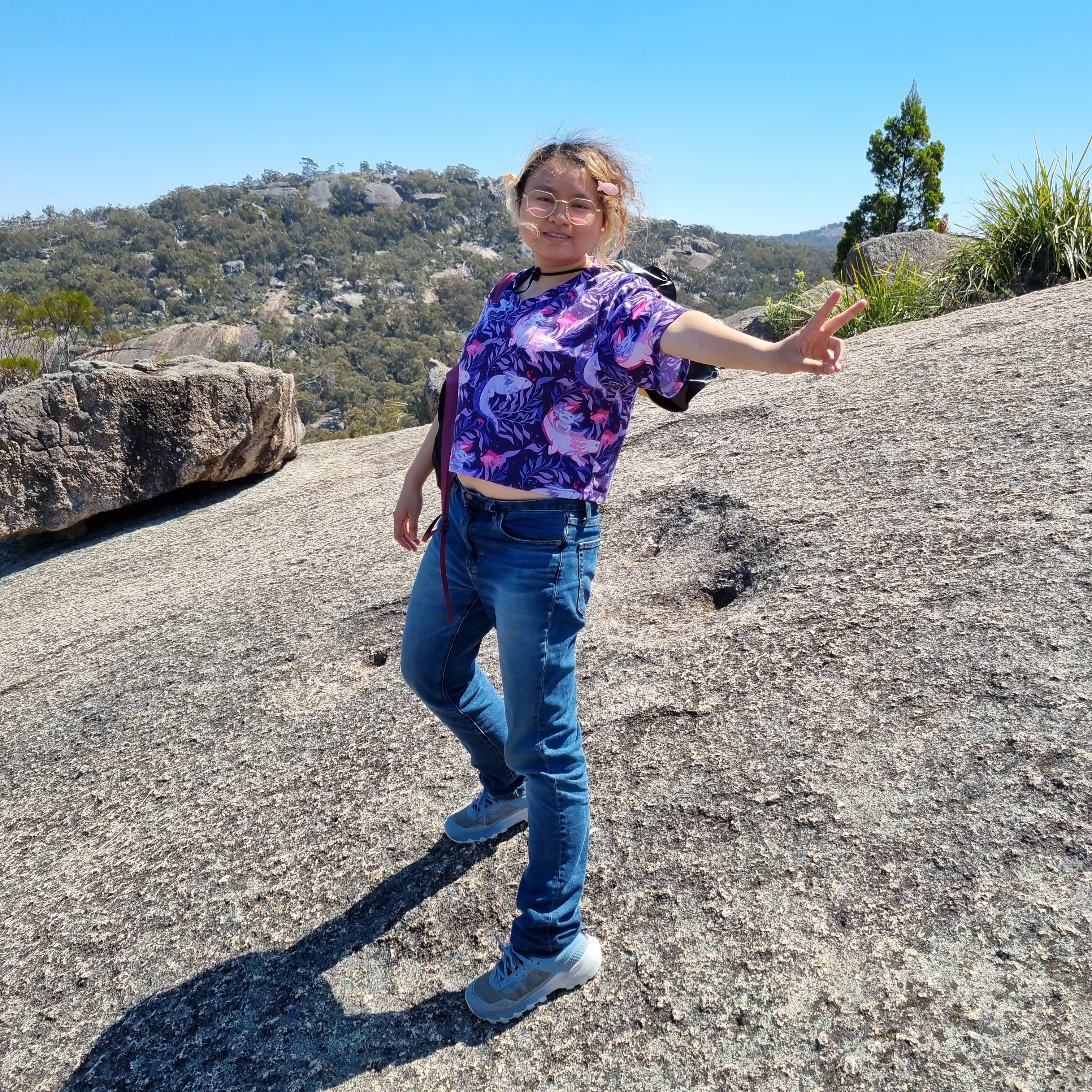
I grew up in the sunny tropical island of Singapore, surrounded by the vibrant City in Nature and dreaming of a future where nature and urban progress could develop and thrive in harmony.
I graduated from the National University of Singapore in 2021 with a Bachelor of Business Administration (Accountancy) degree, with an additional specialisation in marketing. Following this, I pursued a career in marketing, alongside a passion for sustainability. My notable roles have included being a marketing executive for an urban farm and a copywriter for a marketing agency.
I am currently pursuing a Masters of Environmental Management at UQ, with aspirations towards a role in science communication and conservation, specifically regarding human-nature interactions and the built environment.
David Cortés Rincón
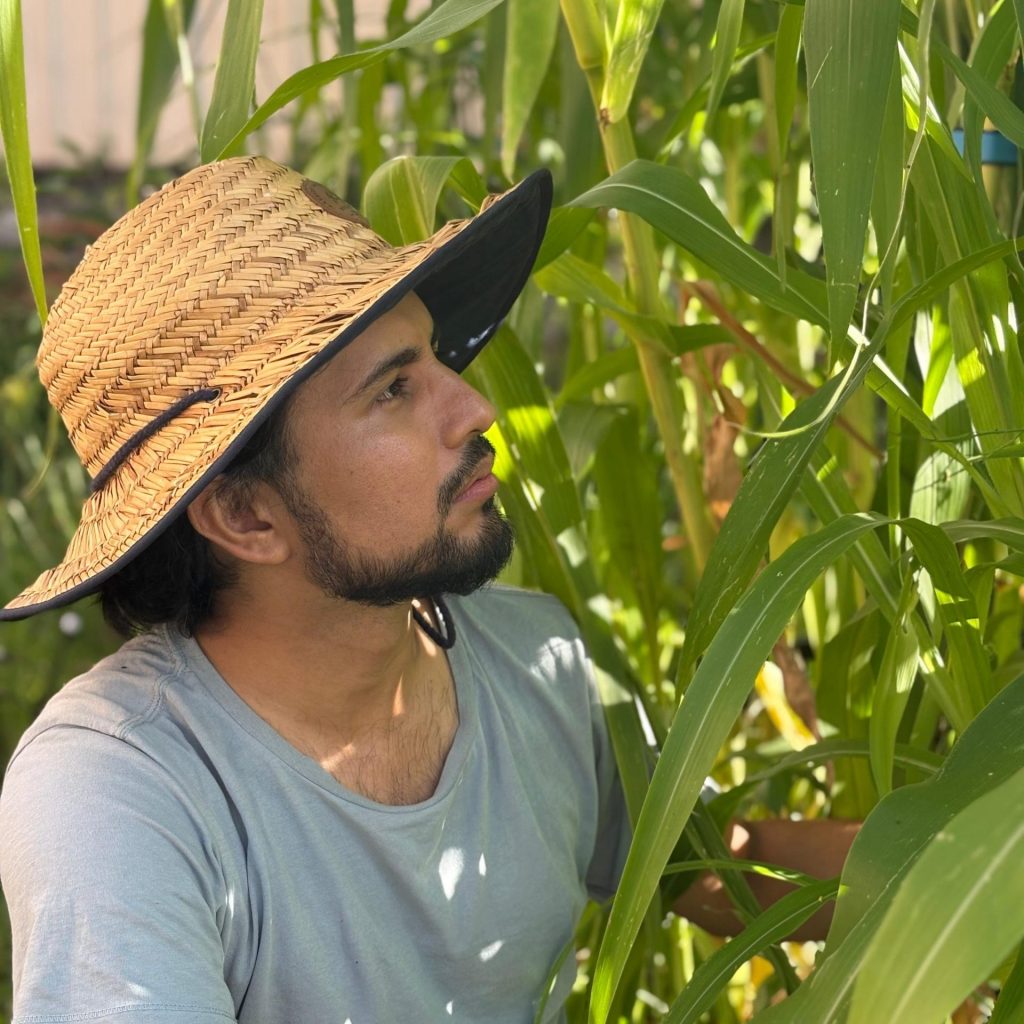
I am an MPhil candidate at The University of Queensland, where I combine my experience with community leadership and academic carreer to drive impactful environmental projects.
As Co-Founder of Casuna, a non-profit organisation, I have led sustainable development initiatives for rural communities in Colombia. And with over eight years of experience in social science and philosophy teaching, farming, law, and community-focused work, I bring a multidisciplinary approach to my research, to address pressing global challenges.
Since farming is a major driver of deforestation, biodiversity loss, and ecosystem degradation, I am passionate about finding ways to balance human needs with environmental protection.
Thus, my current research focuses on modelling the sustainability outcomes of “Food Forestry”—considering environmental, economic, and food security dimensions—in comparison to conventional industrial farming practices.
If our hypotheses prove correct, we may discover a scalable, productive model for rural development that strikes a balance between environmental protection and food production, especially valuable in heavily degraded croplands.
I’m always happy to share ideas, projects, and good conversations on science, life, and philosophy.
Contact: d.cortesrincon
@student.uq.edu.au
Diorene Smith
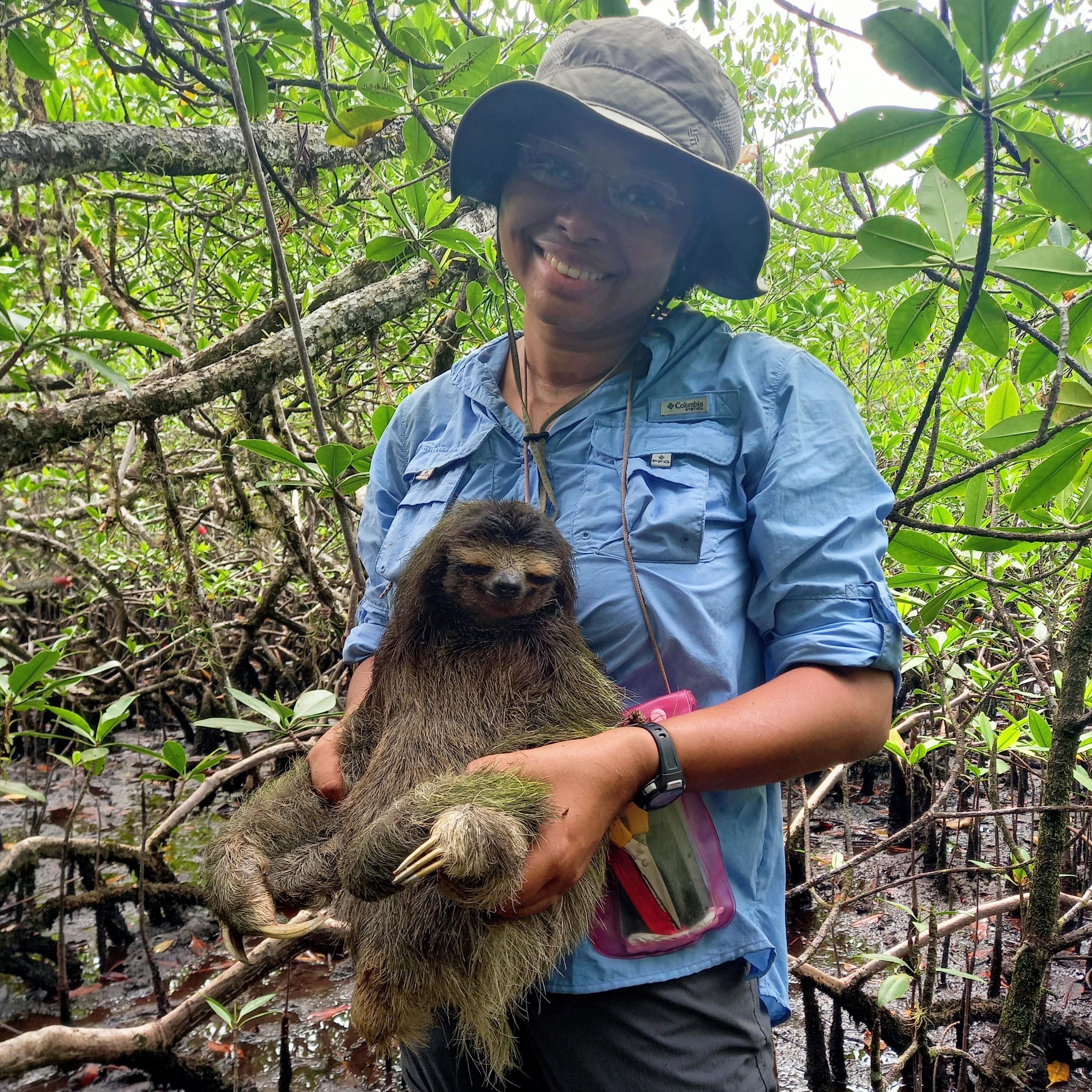
I am a Panamanian veterinarian and a graduate of the “Universidad de Panamá” (2007), dedicated to wildlife rehabilitation for over 10 years. I am equally passionate about research focused on species conservation. In 2012, I began my research career (EDGE of Existence Programme alumna/ZSL) with a conservation project aimed at protecting the pygmy three-toed sloth (Bradypus pygmaeus), a critically endangered species endemic to Escudo de Veraguas Island, Panama.
In 2026, I will begin my doctoral studies, which aim to support the long-term survival of the pygmy three-toed sloth through a multidisciplinary approach integrating evolutionary, ecological, and anthropogenic factors. By analysing the evolutionary history of sloths, the species’ distinctive morphology, and the geological and ecological characteristics of Escudo de Veraguas Island, I seek to understand the conditions that have enabled its persistence within a restricted island habitat. I will also examine how human pressures, Indigenous governance, and climate change shape its future viability, to develop adaptive, evidence-based conservation strategies.

James Tweed
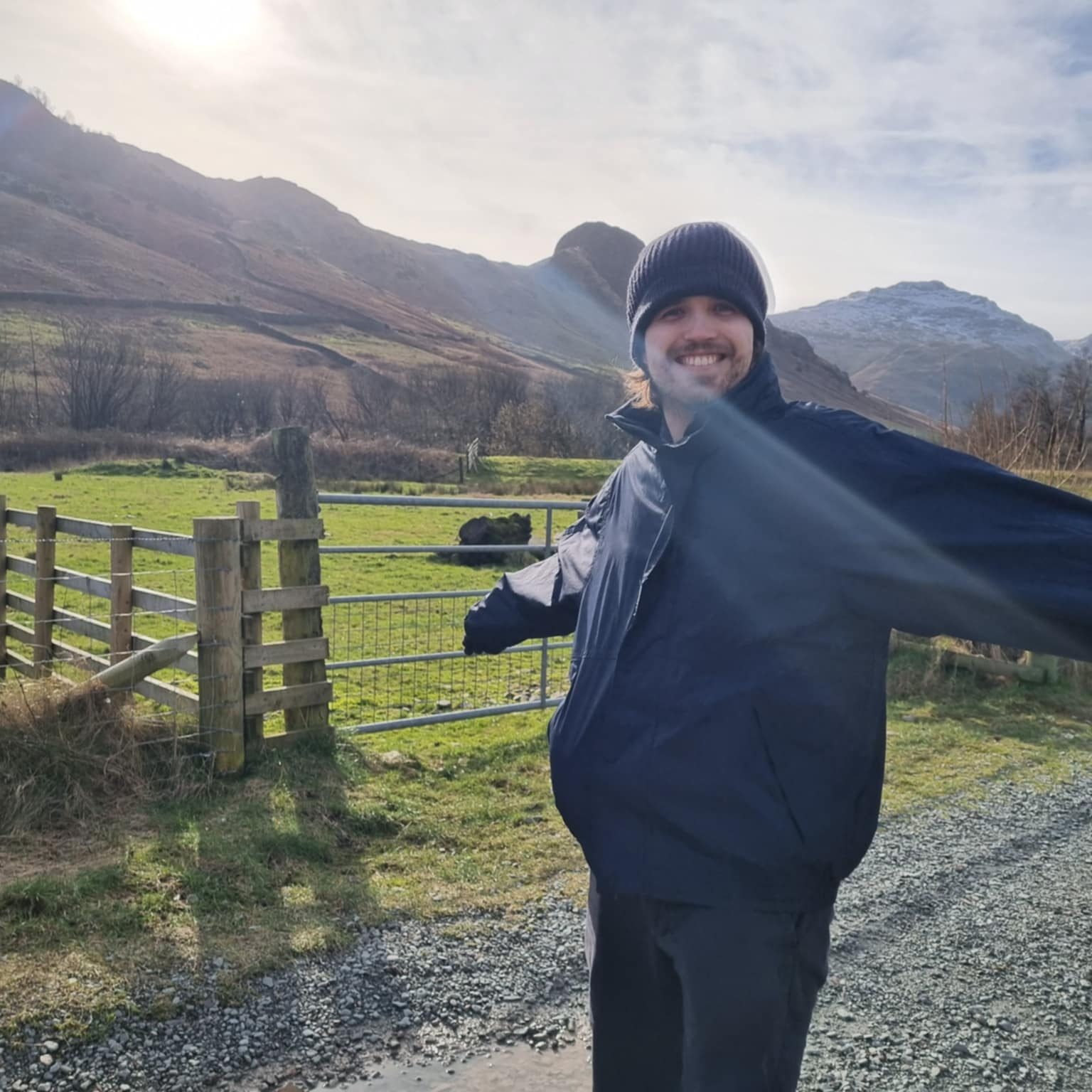
I grew up in rural North Canterbury, New Zealand before moving to Dunedin to complete my BSc and MSc at the University of Otago. For my MSc, I studied how nocturnal moth communities varied with ecosystem restoration actions, habitat successional stage, and season in the forests around Dunedin. From 2018 to mid-2021 I worked in the private sector on a diverse range of entomological and ecological projects.
In mid-2021 I moved from NZ to Brisbane to begin my PhD in the School of Biological Sciences at the University of Queensland. I am passionate about the conservation of invertebrates and intend to research ways in which we can better identify invertebrate species and communities that require conservation action, particularly when we know so little about most of them. I also plan to include elements of fieldwork in my research and hope to help answer questions about some of Australia’s rare or threatened invertebrate species, the threats they face, and potential conservation actions.
Contact: j.tweed@uq.net.au
Michael Carroll
I am commencing an Honours project in 2026 focused on aerospace ecology and regulation, examining how emerging aviation activities, particularly low-altitude Vertical Take-Off and Landing (VOTL) technologies interact with ecological systems and environmental governance. My background spans both economics and science, shaping a strong interest in intersection of ecology with public policy. I have also been lucky enough to have grown up in Tropical Queensland, and I hold a deep affection towards the natural beauty of my home state.

Peter Baxter
Peter’s expertise is modelling challenges in conservation and invasion biology, with a particular interest in efficiently allocating resources for conservation and environmental management. His research typically links ecological models with decision theory, using quantitative approaches to explore optimal ways of managing populations and species of concern. Peter’s current research with the Kark group involves compiling and analysing databases of threatened species and invasive species on islands, which will assist in identifying gaps and opportunities for conservation management.
Peter holds a PhD in Environmental Sciences, Policy and Management from the University of California, Berkeley; a B.A. (Mod.; Environmental Sciences) from Trinity College Dublin; and a Diploma in Actuarial Techniques from the Institute of Actuaries, London. He has previously held postdoctoral positions at the University of Melbourne, University of Queensland, and Queensland University of Technology and was a lecturer with UQ’s Centre for Applications in Natural Resource Mathematics.

Polly Rashida Aktera
PhD Student
I grew up in a small town in Bangladesh in Mymensingh. I did my honours and masters in Fisheries Science at the Bangladesh Agricultural University located in the same town. I work for the Government of Bangladesh in the Department of Fisheries of Bangladesh. I did another study, Master in Development Practices (2014–2015) at James Cook University, Australia where I learnt sustainability of natural resources and marine resource management.
Rejoining my job in 2016, I was involved in managing the approval process of marine fishing licenses and performed awareness activities to promote Monitoring Control and Surveillance (MCS). I was also the commissioner of the Indian Ocean Tuna Commission (IOTC) for Bangladesh for 2016–2019.
My PhD research aims to contribute to the development process of coastal and marine resources by researching spatial planning and prioritisation for Bangladesh. I want to contribute to the growing interest in developing the Blue Economy of Bangladesh through this PhD in future.
All these experiences motivated me to do more research on the development of coastal communities in my country. Recently I have been pursuing my PhD on coastal conservation spatial planning and prioritisation for Bangladesh at the University of Queensland, Australia and my supervisor is Professor Salit Kark.
The principle of Sustainable Development Goals (SDGs) is to ensure that no one is left behind. The coastal communities, the majority of whom are artisanal fishermen, are considered the most vulnerable people on the coast. Unless proper attention and action are taken, they will be potentially “left behind”.
This study aims to use a systematic conservation planning tool, Marxan with Zones, and stakeholder consultation to design and draft a zoning plan for coastal communities in Bangladesh. It will analyse and evaluate the socio-economic conditions of fishermen relative to the existing national legal and institutional framework. It will also examine the challenges of this sector and a zoning map for better management and conservation.
Contact: m.akter@uq.net.au

Rajnish Vandercone
Rajnish holds a PhD in primate behaviour, ecology and evolution from Washington University in St Louis, USA and a BSc (Zoology) from the University of Peradeniya, Sri Lanka.
Rajnish’s research primarily focuses on how species respond to anthropogenic influences such as habitat loss, degradation, and wildlife-based tourism. Using purple-faced (Semnopithecus vetulus) and grey langurs (S. priam) in Sri Lanka as model species, he examines why S. vetulus fares poorly under anthropogenic disturbance, whereas S. priam thrives in human-dominated landscapes.
Through comparative studies of behaviour and physiology (gut microbiomes, stress physiology, disease tolerance), he aims to identify traits that make some species more vulnerable than others. Furthermore, using molecular genetic techniques, he also explores the role of habitat change on interspecific hybridisation between these two species and its potential consequences. In addition, he addresses the impacts of wildlife-based tourism on the behaviour, ecology, and physiology (stress physiology and gut microbiomes) of Asian elephants in two national parks in Sri Lanka’s Dry Zone.
He is also interested in the consequences of human-wildlife interactions to both humans and wildlife, particularly human-wildlife conflict. He addressed these questions through two collaborative research initiatives, the Kaludiyapokuna Primate Conservation & Research Centre (www.kpcrc.org) and Sri Lanka Elephant Project (www.lankaelephants.org) that he co-directs.

Vasundhara Krishnani (Tanvi)
PhD Student: Finding alternate sources of livelihood to aid the conservation of large threatened mammals
Tanvi is a wildlife conservationist who has completed her Masters in Conservation Science at the University of Queensland and is currently pursuing a joint PhD with IIT Delhi (with Dr Ajay Saini), India and UQ (with Prof Salit Kark). Her Master’s thesis was based on the mitigation measures for human-elephant conflict.
She is also working with wildlife filmmaking and has been featured on National Geographic in the film Giants of the Himalayas.
Her goal is to protect and conserve wild animals and their habitats by providing them with the wild and free life they deserve. She is an avid photographer and loves to capture nature and its beauty through her camera lens.

Anisha Pokharel
PhD Student: Reducing human-wildlife conflict in natural, agricultural and urban laboundaries
I am a wildlife biologist from Nepal and recently completed my Master’s degree in Biological Sciences at the University of Nebraska-Lincoln, USA. I will be commencing a joint PhD with IIT Delhi (with Dr Ajay Saini), India and UQ (with Prof Salit Kark). My Master’s thesis was based on prey selection by birds of prey in North America including sharp-shinned hawks, Cooper’s hawks and barn owls.
I have had the opportunity to work on a wide range of projects including human-wildlife conflicts in Nepal, behavioural research on vultures, raptor migration in North America and Thailand, and many more. My research interest integrates conservation biology, behavioural ecology and human dimensions. I am very passionate about raising awareness among local communities towards wildlife conservation. In addition, I love travelling, bird watching, photography and writing on my blog.
Contact: anisha.pokharel@
uqconnect.edu.au
Kark Group Alumni: PhD students and postdoc fellows
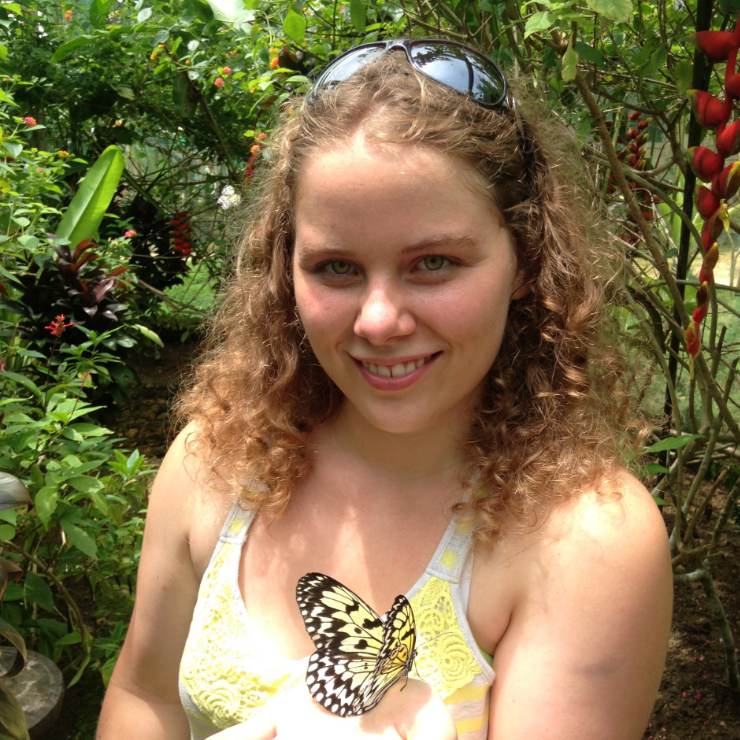
Leah Dann
PhD Student: Understanding barriers to the recruitment of threatened plant species on Norfolk Island
I received a BSc and MSc in Biology from Walla Walla University, where I gained experience in a variety of fields including ecology, molecular biology, and biochemistry. My primary interest lies in conservation science and ecology. I am currently examining the impacts of invasive plant and animal species on native plant recruitment on Norfolk Island.
In conjunction with this research, I also plan to explore interactions between native plants, pollinators, and seed dispersers along with anthropogenic and natural factors associated with historical changes in vegetation cover and species dynamics on the island. I hope this work will provide evidence-based recommendations for management strategies on Norfolk Island and reach beyond local conservation to shed light on similar issues in other locations.
Contact: l.dann@uq.edu.au

Laura Coles
PhD Student: From the UK to Australia – When a Native Species Becomes an Invader
My research will focus on invasive species, investigating the drivers behind variation in impacts of the European green crab (Carcinus maenas) between native populations in the UK and invasive populations in Australia. Giving particular attention to the impacts of environmental change and species interaction networks, and working with relevant stakeholders, I hope that this work will aid in the development and implementation of effective management strategies.
I have recently completed an MSc by Research degree at the University of Exeter, studying the impacts of stressor interaction on green crab camouflage and antipredator behaviours. Before this, I completed a BSc (Hons) degree in Marine Biology. I have particular interests in scientific communication and marine conservation, and am the Science Communication Officer for The Rock Pool Project, a UK citizen science NGO.

Junior Novera
PhD Student: Understanding the Evolution, Ecology and Community Conservation of Mammals on Bougainville, Papua New Guinea
I completed my undergraduate degree in Biochemistry at the University of Papua New Guinea (UPNG) in 2005. The following year I joined the Wildlife Conservation Society (WCS) and then the PNG Institute of Biological Research (PNGIBR) in 2008 to undertake an Honours project on Wildlife Hunting and Sustainability in target communities of the Central Highlands region of Papua New Guinea (PNG). In 2009 I went to Lancaster University in the UK under the British Chevening Scholarship to undertake a Masters Degree in Conservation Science.
After completing my Masters in 2010 I came back to PNG and worked for PNGIBR as a Conservation Biologist conducting studies on New Guinea mammals and wildlife hunting, biodiversity surveys, and community conservation and participated in several consultation work with the Gas and Oil projects in PNG.
My interest in comprehending a myriad of issues surrounding the social and ecological interactions and context between indigenous people and their environment has accumulated over 10 years to understand all aspects of hunting, cultural practices, sustainability and ecosystem services by formulating crucial questions like; Why are communities continually hunting? Where are they hunting? What are they hunting? Who is hunting?
These key questions have motivated me to further explore the ecology, evolution and community conservation of Melanesian mammals on Bougainville as part of my current PhD project. No one has carried out any thorough studies on the ecology and evolution of mammals in Bougainville since the 1930s when the first specimens of mammals were collected. Therefore it is very urgent and crucial to conduct this study on Bougainville which is also an IUCN Biodiversity Hotspot in the Melanesian region. Both biological and cultural data from this study will add new knowledge to the existing scientific information on the ecology, evolution, bioculture, ecosystem services and conservation of mammals in Bougainville, PNG and the region as a whole.
Contact: jnovera@gmail.com

Steve Wilson
PhD Student: Ecology and conservation of Indonesian Javan or Lesser one-horned Rhinoceros (Rhinoceros sondaicus sondaicus Demarest)
I’ve been fortunate to get the green light to undertake a PhD on the “Ecology and Conservation of Indonesian Javan or Lesser one-horned Rhinoceros (Rhinoceros sondaicus sondaicus Demarest, 1822), in Ujung Kulon National Park, West Java, Indonesia”, aiming to do the work over a four-year time frame. These animals are amongst the most critically endangered species on the planet with less than 60 animals left in only one population, are conservation dependant and the proposed research will explore how the animals are doing ecologically in light of current conservation measures and the role the local community plays in rhino conservation (very broad summary).
From a current work perspective for the past 4 odd years as the Land & Biodiversity Manager, I’ve been leading a team of 13 environmental specialists, including landscape ecologists, landscape restoration, strategic planning and natural resource management experts in the Catchment management space in the Goulburn Broken Catchment of northern Victoria. The job entails working with the community and key stakeholders to manage their natural resources more sustainably, my operating budget is around $4.5 million annually which supports staff and a range of large and small-scale projects, for example, we restored and protected 1,000 ha of degraded EPBC threatened grassy woodland and 200 ha of seasonal herbaceous wetlands during 2013/14 to name a few of the works completed. My operating environment varies between sitting in a landholder’s kitchen discussing wetland management to meetings with state and federal senior bureaucrats and ministers over funding, so jack of all trades master of none!
The common thread to my working life is a strong interest in wildlife, wildlife management and the importance of taking community along the management journey as well, I’ve a passion for photography and natural history writing and am keen and motivated to get stuck into learning more about and contributing to what is a poorly known but iconic species. In my spare time, my wife Tracey (married 25 years), and three kids Coen (20 and studying archaeology at Latrobe), Daly 18 (about to finish year 12) and Allira 16 (about to finish year 9) keep me occupied.
Contact: stevew@gbcma.vic.gov.au
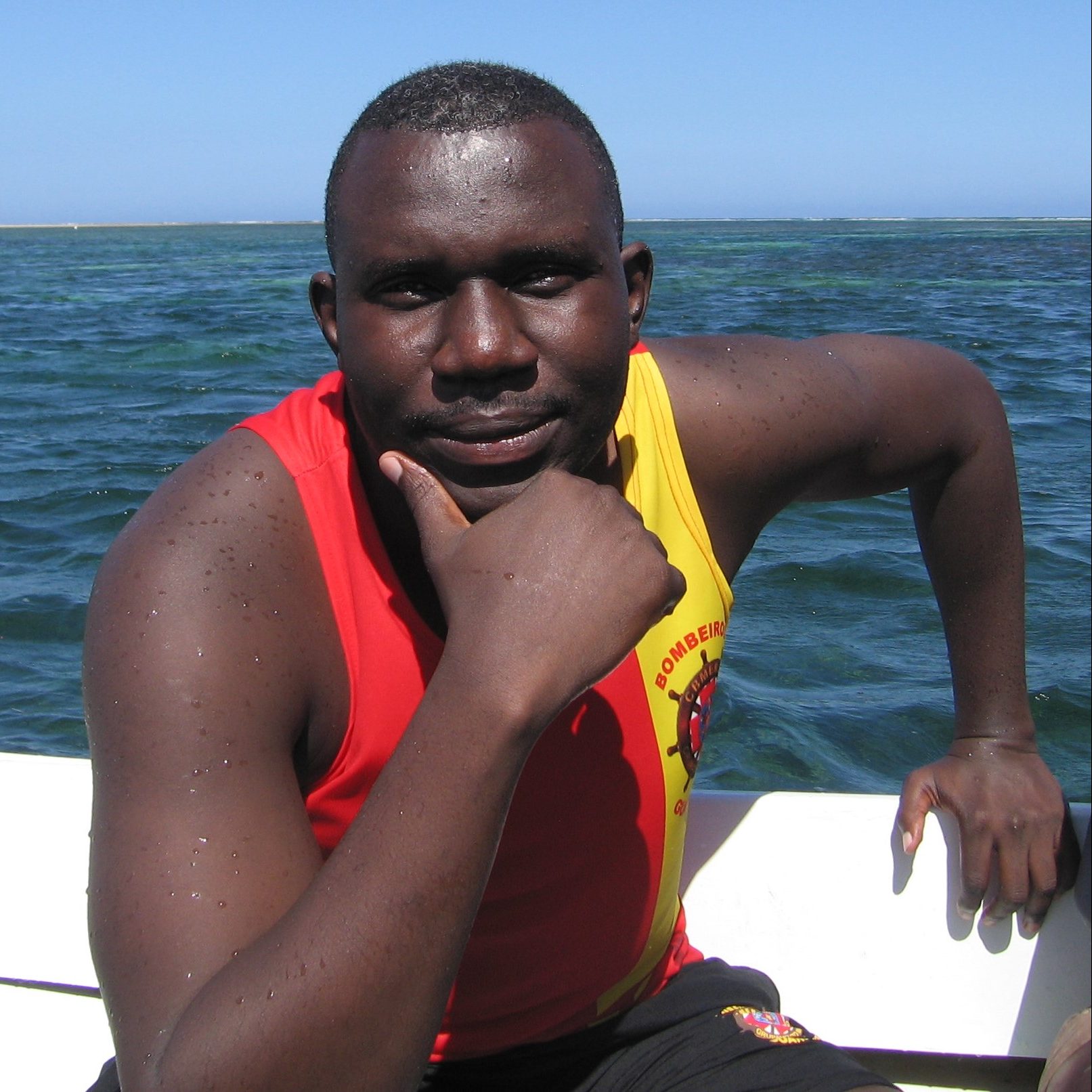
Arthur Tuda
PhD Student: Assessing potential for adaptive governance of cross-boundary marine protected areas network in East Africa
My research interests are in marine resource governance. My specific interests are in marine protected area (MPA) planning and management. My current research concerns the planning of cross-boundary MPA networks and their adaptive management. I am focusing on the East African Marine Ecoregion to understand how governance contexts influence adaptive management and have implications for the management and governance of cross-boundary MPA networks.
In my research, I will also develop novel approaches for incorporating governance aspects into the design and spatial prioritization of MPAs and MPA networks. My most recent research explored how to address conflicts using marine spatial planning.
Contact: tudahke@yahoo.com

Eduardo Gallo-Cajiao
PhD Student: Cross jurisdictional governance of migratory shore bird conservation
I completed my undergraduate studies at “Universidad del Valle”, in my native Colombia, and a Master of Environmental Science at Macquarie University. I have accrued over 6 years of experience working in biodiversity conservation with the government and the not-for-profit sector in Colombia and Australia.
I am currently working on global environmental governance for conserving migratory species under the supervision of Dr Richard Fuller and the Co-supervision of Dr Tiffany Morrison and Dr Salit Kark. Migratory shorebirds in the East Asian-Australasian Flyway face multiple threats; which have triggered a conservation agenda influenced by the emergence of international policy. Since the 1970s there has been a proliferation of international institutional arrangements relevant to migratory shorebird conservation in this flyway. However, despite the existence of this institutional framework, migratory shorebirds have continued to decline. Hence, the effectiveness of the governance system in place has been questioned. Through my project, I will integrate ecology and social science to evaluate the performance of such an international institutional framework.
Contact: e.gallocajiao@uq.edu.au

Leslie Roberson
PhD Student: Understanding human dimensions across multiple scales to develop better management solutions to fisheries bycatch.
I have an interdisciplinary background in biological conservation that started with my B.A. in Environmental Studies at Yale University, during which I was able to work on several projects related to natural resource management and conservation in Latin America and the Caribbean. I then spent a year studying sea turtle by-catch and traditional fisheries in a village in Ghana in West Africa.
In 2013 I moved to South Africa to complete my M.Sc. in Applied Marine Science at the University of Cape Town (UCT). I’ve since been working as a research assistant at UCT on several projects related to MPA monitoring in South Africa, mostly using underwater video.
Despite all the time I’ve spent in and around fishing boats, I am extremely bad at catching fish. I’m excellent at counting them though, so if anyone needs that Scarce Skill then I’ve got you covered.

Andrew Rogers
PhD Thesis: Interactions between native and invasive cavity-nesting bird species in Australia
My primary research interests include species’ use of highly transformed habitats, conservation management in human-dominated landscapes and habitat restoration. I am particularly interested in the impact of invasive species on native community assembly and function. Recent work has included quantifying novel ecosystem support of native species, invasive species distribution mapping, and resource use by native species in human-modified habitats.
My current research explores why certain species do well in human-dominated habitats, and how introduced species impact native community interactions. To answer these questions I am examining how the presence of the non-native Common Mynah and the native Noisy Miner affect bird communities in southeast Queensland, Australia. The outcomes of this work will help to inform conservation policy for native species as well as management plans for invasive species.
Contact: a.munro.rogers@gmail.com
Francoise Lermite
PhD Student: The role of behaviour in the ecological success of Indian Mynas
Francoise is originally from France and joins A/Professor Salit Kark and Dr Andrea Griffin on the collaborative cavity-nesting species project. Francoise is the main driver of the project in New South Wales and her area of interest includes behavioural interactions and individual-based behaviours of the Indian Myna.
Contact: francoise.lermite@uon.edu.au

Ruben Venegas
PhD Thesis: Incorporating trans-national collaboration into marine spatial conservation prioritization
I am originally from Costa Rica, where I did my BSc in Biology. After finishing my undergraduate degree, I worked for several years on a Sea Turtle Conservation project on the Caribbean coast of the country. I was also involved in environmental education activities, and together with other colleagues, started Keto Foundation, a Non-for-Profit Organization that strives to do research that can better inform management decisions of coastal and marine areas of the country.
Later, I obtained an MSc degree in Geo-information Science and Earth Observations in the Netherlands, which opened the doors to being involved as a GIS and remote sensing analyst in several projects in Costa Rica and Southeast Asia, both in marine and terrestrial environments. Through these experiences, I have become interested in spatial conservation prioritization, which led me to start my PhD at the University of Queensland in November 2014.
Globally, there is a growing interest in multinational conservation initiatives in the marine environment. Thus through my PhD research, I would like to generate information that will help to better understand how incorporating trans-national collaboration into marine spatial conservation prioritization could affect environmental decisions, as well as the benefits and limitations of doing so.
Contact: r.venegas@uq.edu.au
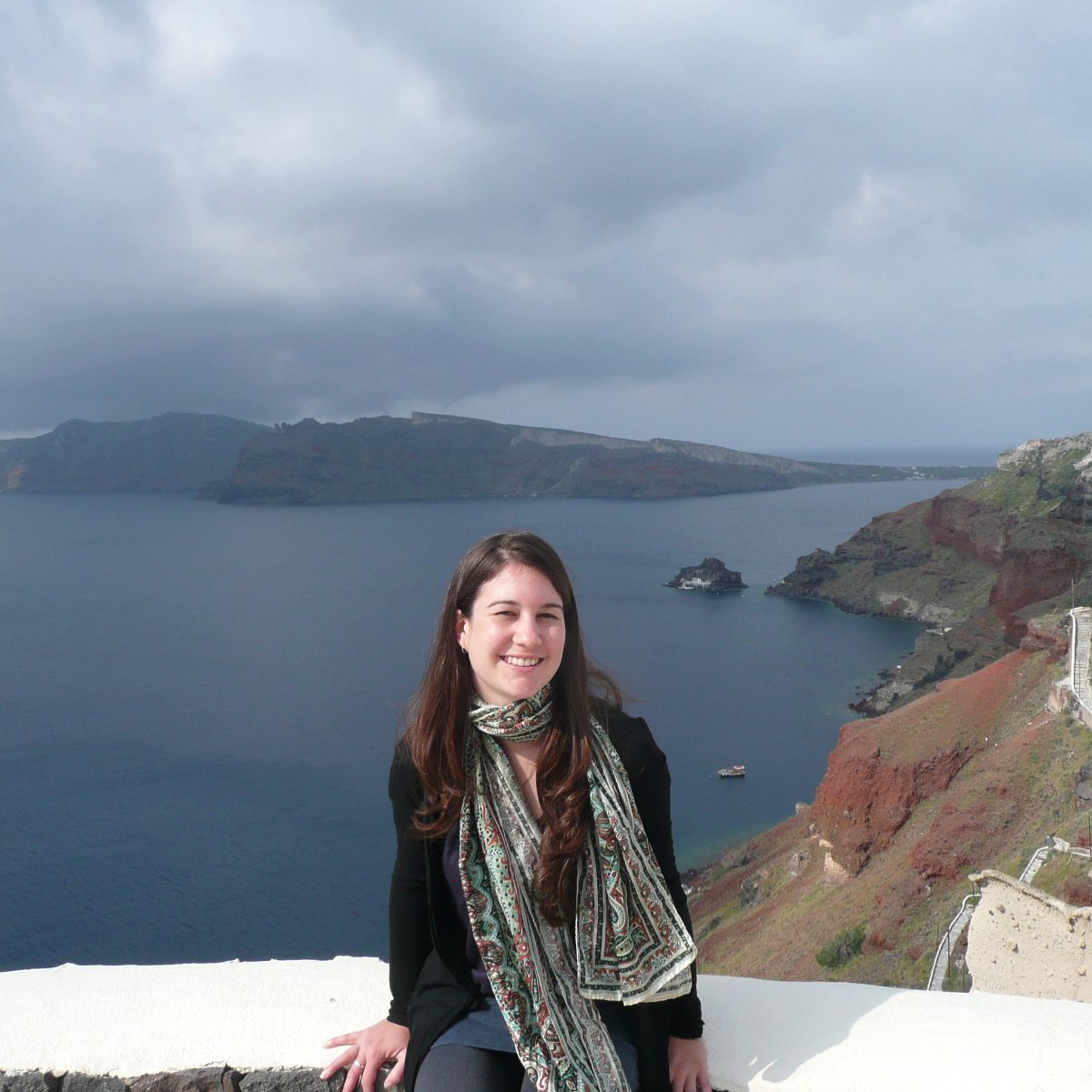
Tessa Mazor
I am a marine spatial ecologist, with an interest in finding sustainable and practical solutions for biodiversity protection. My research interests include conservation planning and prioritization (e.g. designing marine protected area networks), marine spatial planning, evaluating and mapping threats to biodiversity and integrating social and economic objectives to facilitate the implementation of conservation action. I am particularly interested in sea turtles, exploring the drivers of their nesting patterns and using decision support tools to select priority areas for sea turtle conservation.
My PhD at the University of Queensland focused on advancing conservation planning in the Mediterranean Sea, advancing the theory of systematic conservation planning and developing solutions with implications for the Mediterranean region.
Tessa has recently started a postdoc at CSIRO in Brisbane.
Contact: tessa.mazor@csiro.au

Erin McCreless
I am a conservation biologist interested in using the best available ecological, social, and economic information to improve the way conservation efforts are planned and implemented. I completed my PhD in Ecology and Evolutionary Biology at the University of California-Santa Cruz in 2015, where my research focused on quantifying the impacts of invasive alien mammals on globally threatened insular vertebrate species, and on the development of optimization tools to prioritize invasive mammal eradications on islands. I also investigated national-level relationships between conservation costs, governance, and human rights to better understand how prioritizing conservation based on cost alone may lead to lower success rates for conservation projects as well as unintended negative outcomes for local people.
Before beginning my Ph.D. research, I worked in the Center for Biodiversity and Conservation at the American Museum of Natural History in New York, NY, where I contributed to conservation-related research projects, museum exhibits, and education initiatives. I have conducted fieldwork in the eastern and western continental US, Hawaii, Alaska, and Costa Rica. I earned my bachelor’s degree in Ecology and Evolutionary Biology from Yale University in 2004.
Dr Erin McCreless is presently a postdoctoral research fellow at Oregon State University.
Contact: e.mccreless@uq.edu.au

April Reside
Post-doc Researcher: NESP Islands and refugia projects
I am a postdoctoral research fellow working on the NESP Threatened Species Hub, on Theme 4: Reintroductions and Refugia.
My prior research focused on climate change impacts and biodiversity conservation using spatial modelling. Funded by NCCARF, I modelled the distributions of >1700 vertebrate species across Australia for both current and future climate scenarios to identify future biodiversity hotspots and refugia. Using these models, I applied conservation planning frameworks to identify spatial priorities for climate change adaptation for biodiversity and carbon sequestration. This research fed into Natural Resource Management and government planning for climate change adaptation
I have a particular fascination with flying vertebrates and have worked on bats on three continents and in nine countries. I worked as a field ecologist for with Australian Wildlife Conservancy before moving to Townsville to study savanna birds with JCU and CSIRO. My PhD: “Assessing Climate Change Vulnerability: Novel methods for Understanding Potential Impacts on Australian Tropical Savanna Birds” adapted species distribution modelling techniques to account for temporal and spatial variability in the distributions of highly vagile bird species.
I am on the Recovery Team for the Black-throated Finch and sit on Birdlife Australia’s Research and Conservation Committee.
Contact: a.reside@uq.edu.au
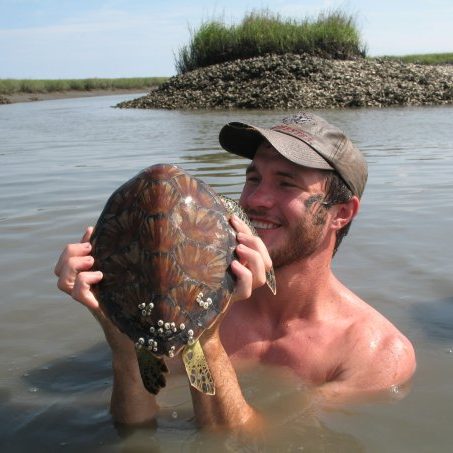
Matthew McKinney
PhD Student: Spatiotemporal interactions between invasive and native bird species in Australia
I was born and raised in north-western Georgia (USA) where my parents taught me how to turn over rocks to find scorpions and salamanders, to fish and hunt, to garden, and to pick berries. I received my bachelor’s degree in forest resources from the University of Georgia in 2006, and my master’s degree in wildlife and fisheries science from Mississippi State University in 2013. In between, I worked as a public lands biologist/land manager for the Florida Fish and Wildlife Conservation Commission, conserving and managing endangered ecosystems, endangered species, game species, and everything.
I came to Brisbane in 2013 to live with my wife and (now) son, and I began working for Salit later that year. My strengths are GIS, the R Statistical Environment, and technical management/research skills (fire, farm equipment, surveys). My PhD will focus on modelling invasive bird species interactions and using that information to build multi-species dynamic occupancy models to inform prioritization of actions. I love bluegrass music and I play Dobro guitar in my spare time.
Contact: matthewryanmckinney@
gmail.com

Hernán Cáceres Escobar
PhD Student: Systematic study of the effects of invasive mammals on native wildlife in biological islands
I completed my undergraduate studies in Veterinary Medicine at Universidad de Chile in 2010. Then I began working in a small animal clinic, where I was a volunteer since 2006, as a surgeon and internal medicine physician until 2012, when I started working in an Ecology Group named “Fauna Australis” in Pontificia Universidad Católica de Chile, at the same time I worked for different NGOs in Chile and as an Environmental Consultant (Fauna Specialist) for different environmental consultant companies.
In March 2014 I returned to my alma mater and worked in the Centre for Environmental and Biodiversity Management until November 2014, when I arrived in Australia and started my PhD under the supervision of Salit Kark, in The Biodiversity Research Group of the Centre for Biodiversity and Conservation Science in The School of Biological Sciences of the University of Queensland.
My project aims to develop a scientifically-based protocol using novel scientific tools, to prioritize actions and develop strategies that will enable us to effectively minimize the threats of invasive mammals, which affect Australia’s unique biodiversity and ecosystems. I will investigate the spatial patterns and major processes shaping the invasion of terrestrial invasive mammals in Australia at a continental scale, synthesizing spatial, temporal, historical, and economic data to examine the role of biological versus human-related processes in shaping invasion success and impacts in Australia. This will allow better integration of biological, climatic and human-related data to spatially prioritize action.
My interests are mainly related to conservation biology, community ecology, population dynamics, and invasive species (especially the effects of invasive mammals and birds on the native fauna and the environment). I have experience in ecological surveys, environmental baselines, environmental impact analysis, monitoring endangered species and mapping their interactions network.
Contact: h.caceres@
uqconnect.edu.au
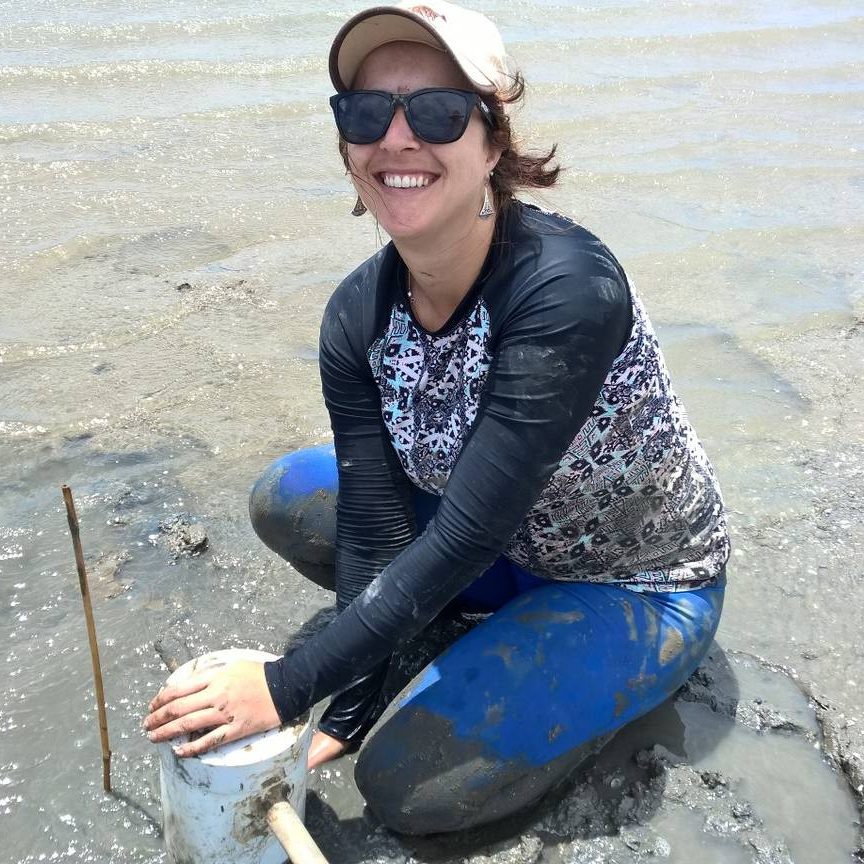
Micheli Duarte
I am a marine biologist with research interests encompassing spatial ecology, quantitative marine ecology, climate change, and conservation. My research is characterised by the novel integration of multiple disciplines to tackle fundamental questions in marine conservation science. My current research is in collaboration with the Brazilian Network for Climate Change and the ARC Centre of Excellence for Environmental Decisions, where I am investigating the impacts of climate change on the distribution of marine species in the Southwestern Atlantic Ocean.
Within the Kark Group, I am a research assistant working on some ongoing projects such as investigating how collaboration can improve conservation in the Amazon basin and the island conservation project.
I completed my PhD in Biological Oceanography in 2015 through the Universidade Federal do Rio Grande (Brazil) under the supervision of Professor José Henrique Muelbert. As part of my PhD, I spent six months at The University of Queensland working with Professor Hugh Possingham to investigate how to incorporate estuarine dynamics and information from different life stages of fish into marine spatial planning.
Before I started to focus my research on marine conservation, most of my projects were related to fish eggs and larvae taxonomy and ecology. Due to these skills, I am currently collaborating in the National Ichthyoplankton Monitoring and Observing Program with Professors Anthony Richardson (UQ/CSIRO), Professor Iain Suthers (UNSW) and Tony Miskiewicz.
Contact: duarte.micheli@
yahoo.com.br
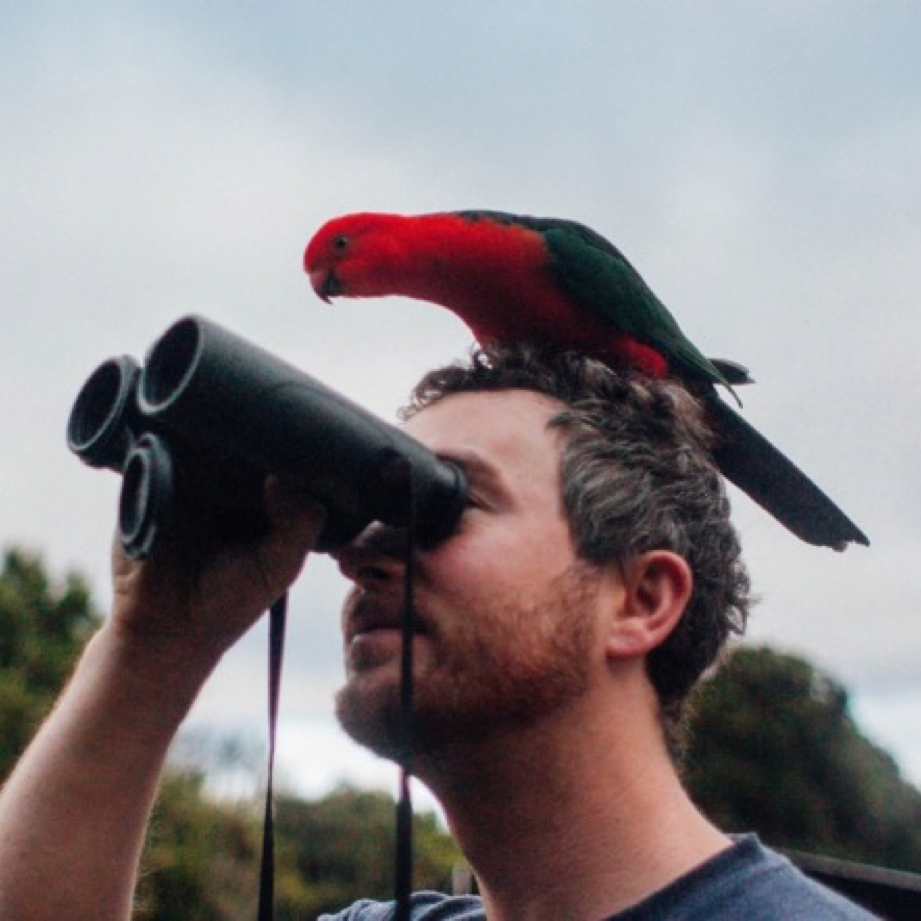
William Feeney
Will is a UQ Fellow hosted by Salit Kark’s group and Robbie Wilson’s group.
I am an evolutionary ecologist interested in understanding how interactions between species generate and maintain the world’s biodiversity. My research stems from field observations and experiments and tends to focus on two main systems: the relationships between avian brood parasites, such as cuckoos, and their hosts; and the interactions between predatory coral reef fishes and their prey. Lately, this work has been focusing more on species that live within Australia, though I also have current projects running in China (birds) and French Polynesia (fish).
Before starting at UQ, I completed a Fulbright Postdoctoral Fellowship at the University of California, Berkeley (2015 – 2016); an Endeavour Fellowship at the University of Cambridge (2015) and my PhD at the Australian National University (2011 – 2014). Before that I split my time between my PostGrad studies at James Cook University and working as a tour guide in the North-Western Arnhemland.
Contact: w.feeney@uq.edu.au
Eran Brokovich
Thesis Title: Patterns and processes in bathymetric distribution of coral reef fishes
Dr Eran Brokovich graduated in 2009. Eran is now a private consultant to large conservation projects.
Contact: eran.brokovich@mail.huji.ac.il
Kark Group Alumni: Masters students

Jan de la Cuesta Bauer
I grew up between Madrid, Spain and Munich, Germany and spent much of my childhood looking for critters under rocks, for mushrooms, and I have always had a deep interest in plants. I studied a bachelor’s of Biology with a focus in genetics and ecology at the Technical University of Munich between 2018 and 2022, and worked for the Herbarium of the Botanical Gardens of Munich in 2022.
I am now studying a masters of Environmental Management at UQ with hopes to advance the ecological and conservation realities of Australian Ecosystems. I am currently working on the past, present and future structure of the native forests of Norfolk Island, based on the occurrence of Norfolk Island Pines and the communities that these trees support.
Contact: j.delacuestabauer@
uq.net.au
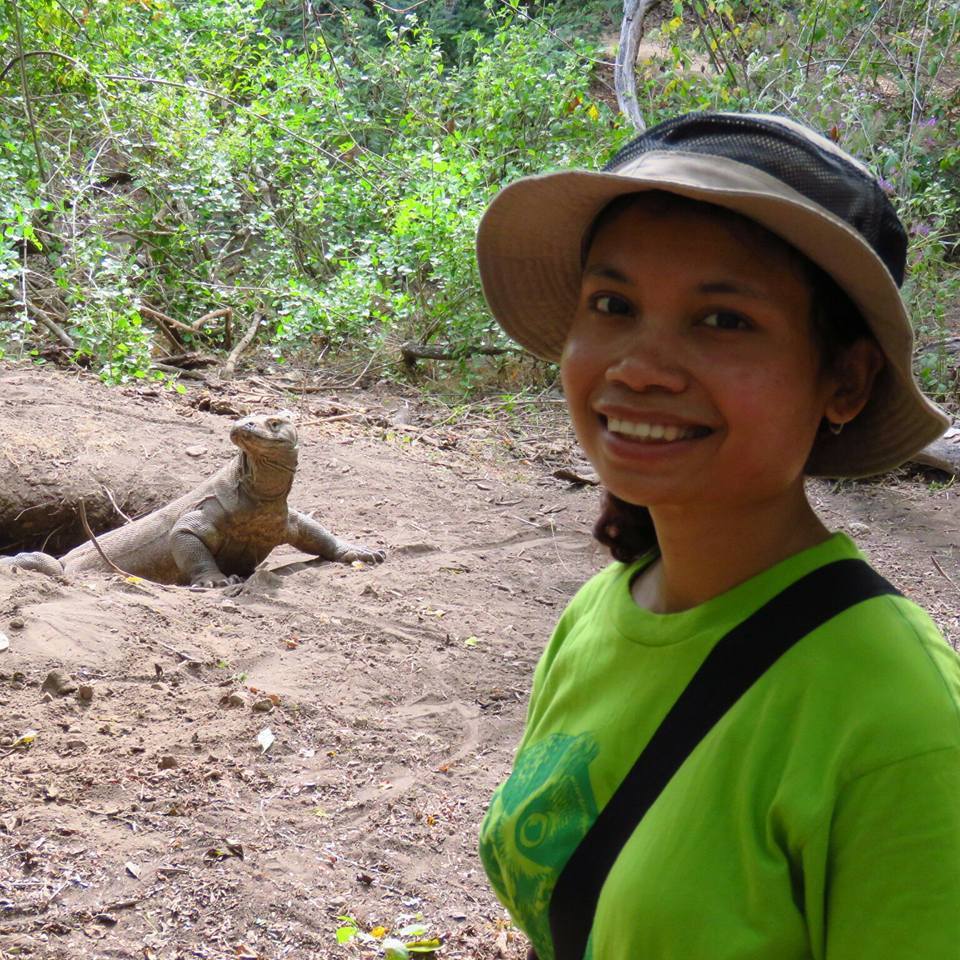
Maria Panggur
I have dedicated nearly a decade to serving as a park ranger at Komodo National Park in Indonesia. I hold an undergraduate degree in Forest Resources Conservation from Bogor Agriculture Institute and am pursuing a Master of Conservation Science at the University of Queensland.
My primary interests lie in human-wildlife interactions, conservation management and policy, and conservation prioritization. For my master’s project, I aim to explore the conflicts between humans and Komodo dragons, focusing on conflict mitigation strategies to achieve better conservation outcomes.
Contact: m.panggur@
student.uq.edu.au
Lauren Ohayon
I am from Toronto, Canada. I completed my undergraduate degree in biology at Western University and went on to complete my first master’s degree at the University of Toronto in forest conservation. During that time, I had the incredible opportunity to conduct a research project focused on corporate stewardship of urban green space, collaborating with a global pharmaceutical company, Sanofi. Currently, I am pursuing my second master’s degree in conservation science at the University of Queensland, where I’m excited to delve into my research project on aerospace conservation. My wider interests include urban conservation, invasive species, and community stewardship.
Annalise Re
MPhil: Assessing changes in biodiversity along urban gradients within the aerospace to inform decision frameworks for the creation of biodiversity-friendly cities.
Having just completed my Bachelor of Science in conservation biology and environmental science at the University of Western Australia, I’ve moved to Brisbane to pursue a Master in Philosophy at the University of Queensland with Dr Salit Kark. Throughout my undergraduate degree, and for some time afterwards, I worked concurrently with numerous research scientists in the Department of Biodiversity, Conservation and Attractions.
I was able to gain laboratory and field experience relating to fire science, looking at extinction debt, the vitality of obligate seeding species and the general decline in health for plant species, particularly Banksia’s, within Fitzgerald National Park. Throughout my time volunteering at Perth Zoo, I also assisted with analysing data on the rehabilitation costs for black cockatoos to compare it to other conservation strategies. Finally, I completed a summer research project with the Kings Park and Botanic Gardens Authority, investigating the impact of various disturbances on species community change over time.
I have a very broad range of interests within conservation biology; however, I hope to expand my knowledge and skillset in spatial conservation planning and prioritisation. My research will focus on 3D urban conservation planning for cities, by observing bird activity in the “aerospace” and then attempting to map the vertical habitat space available along an urban gradient. From this study, I hope to be able to identify key aerospace “hotspots” for biodiversity.
3D modelling of Brisbane combined with data from the field and available literature can then be used to inform future management actions targeted at creating a more biodiversity-friendly city. I aim to be able to collaborate with relevant stakeholders throughout my degree. I’m very passionate about conservation and I’m so excited by this opportunity to further my interests and my impact!
Contact: a.re@uq.edu.au

Alana O’Dwyer
Islands on fire: Investigating fire patterns and threatened species richness across Australian islands
Growing up hiking, climbing and skiing in the Victorian Alpine region gave me an appreciation for nature and a love for Australian wildlife. I pursued this passion through a BSc majoring in Zoology at The University of Melbourne, gaining research experience in the areas of marine biology, examining predator responses in soldier crabs; and animal behaviour, investigating cognitive behaviour and learning in European honeybees. To gain further hands-on experience I undertook multiple volunteering positions, trapping Mitchell’s hopping mice in Big Desert in Western Victoria, undertaking revegetation activities and native nursery work with Phillip Island Nature Parks and trapping Tasmanian devils and quolls in a forestry plantation in central Tasmania.
My passion for conservation and biodiversity protection in the Australian landscape led to a move to Brisbane to complete a Master in Conservation Science with The University of Queensland. A strong interest in threatened species, invasive species impact, disturbance, fragmentation and island dynamics led me to my final six-month research project with Salit Kark. This project will look at relationships between threatened species and fire, across all Australian islands and shed a light on some of Australia’s most diverse and threatened ecosystems.
Contact: a.odwyer@uq.net.au

Alexander Bezzina
Master of Conservation Science Student: Predator management effectiveness in Haast Kiwi Sanctuary
I am working on my thesis partnered with the Department of Conservation’s Haast Kiwi Sanctuary. The focus of this project will be to analyse the effectiveness of past stoat management and create cost-effective steps for future action. Stoats are an introduced predator in New Zealand causing large declines in many kiwi species, and the Sanctuary houses the largest population of the rare Haast Tokoeka species. My undergraduate degree was a Bachelor of Science, Zoology major, where I developed a passion for animal behaviour and community and ecosystem interactions.
Outside of this, I have worked with a team that evaluated the current population estimates for lions and conducted population assessments of leopards and hyenas in Uganda’s Queen Elizabeth National Park. I have also worked with WWF reviewing camera trap data of Northern Bettongs. I am most interested in creative ideas that make conservation more cost-effective and maximise benefits for both people and nature.
Contact: a.bezzina@uq.net.au

Amandine Barre
Master of Animal Science: Interactions between cavity-nesting birds and mammals
Environmental predictors of nest box occupancy in SE Queensland

Ben Brearley
I am in the final part of a Master of Conservation Science, undertaking a semester-long research project under the supervision of Salit Kark. My research will use statistical and spatial tools to focus on threatened species on Australia’s islands and how external factors such as fire or land tenure affect their conservation status compared to the mainland. I am an avid outdoorsperson with a keen interest in birds and am excited to contribute to the conservation of our country’s unique wildlife.
Keren Pereira
Master of Conservation Science thesis
I have completed my Bachelor of Science degree with a double major in Botany and Zoology in India, during which I developed an interest in animal behaviour, conservation biology and human-wildlife interactions. Beyond academia, I have had the opportunity to work with a team led by a Wildlife Conservation Society researcher who conducted a population estimation of common leopards and assessed the human-leopard conflict in Mumbai’s Sanjay Gandhi National Park. I have also worked on a project conducted by the Indian Institute of Science on the behavioural phenology of Peninsular rock agamas (Psammophilus dorsalis) in Andhra Pradesh.
I am currently pursuing my Master of Conservation Science degree. For my project, I will be working to analyse the dietary composition of two sympatric carnivore species using a DNA-based strategy in the human-dominated Kathmandu valley of Nepal. The findings will be used to examine the human-predator conflict to inform future conservation of the carnivores by making recommendations to mitigate the conflict prevalent within the region.
Contact: k.pereira@uq.net.au
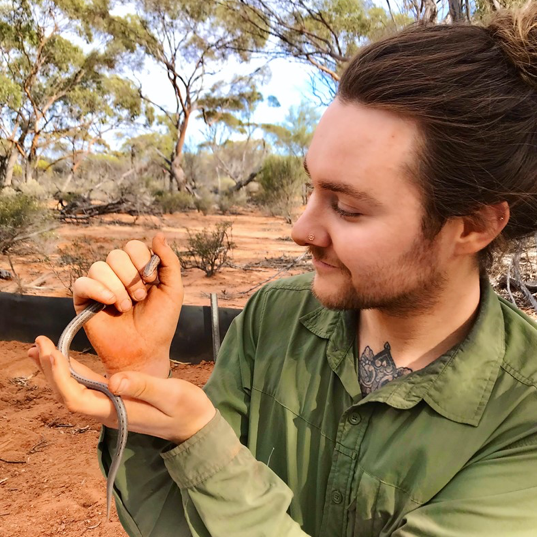
Joshua Hungerford
Master of Conservation Science thesis: The impacts of predator-exclusion refugia on non-target small vertebrates in remnant vegetation of south-western Australia.
My research is on the relatively unknown impacts of introduced predator-free sanctuaries on non-target small reptiles, mammals and amphibians. While introduced predator-free sanctuaries effectively conserve target species (regionally extinct & endangered native mammals), birds and ecosystem processes, little is known about the impacts on local non-target, least-concern vertebrate species. Of key interest is whether non-target species richness and occupancy similarly benefit from introduced predator absence and how resultant changes in population and ecological dynamics might affect the wider ecosystem.
I have great interests in reintroduction and translocation biology, ecological restoration, sustainable livelihoods & development and Indigenous knowledge. I am an enthusiast of the philosophical, esoteric and ecocentric. I thrive in the outdoors, I volunteer as a wildlife rescuer and community educator, and I have completed an internship with the Australian Wildlife Conservancy.
Contact: joshua.hungerford@
uq.net.au
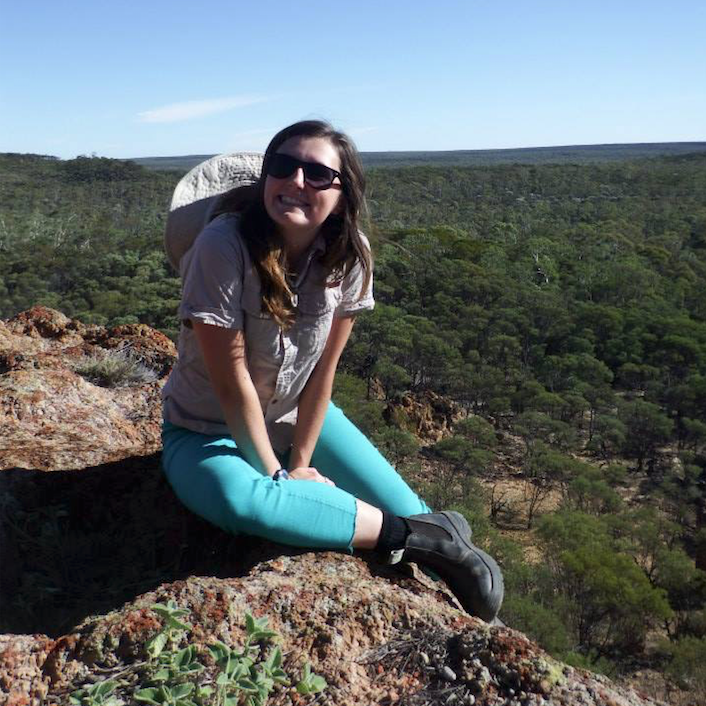
Maggie McKeown
Masters Student: Communicating Invasive Species
Maggie completed her Masters thesis with A/Professor Salit Kark as a component of her Masters in Conservation Science degree at The University of Queensland in 2015. Maggie was particularly interested in integrating her love of communication with her love of conservation with this project looking into different communication strategies influencing perceptions about invasive species.
Maggie is currently a community organiser at the Mackay Conservation Group, in Queensland, Australia.
Contact: maggie.mckeown
@uqconnect.edu.au
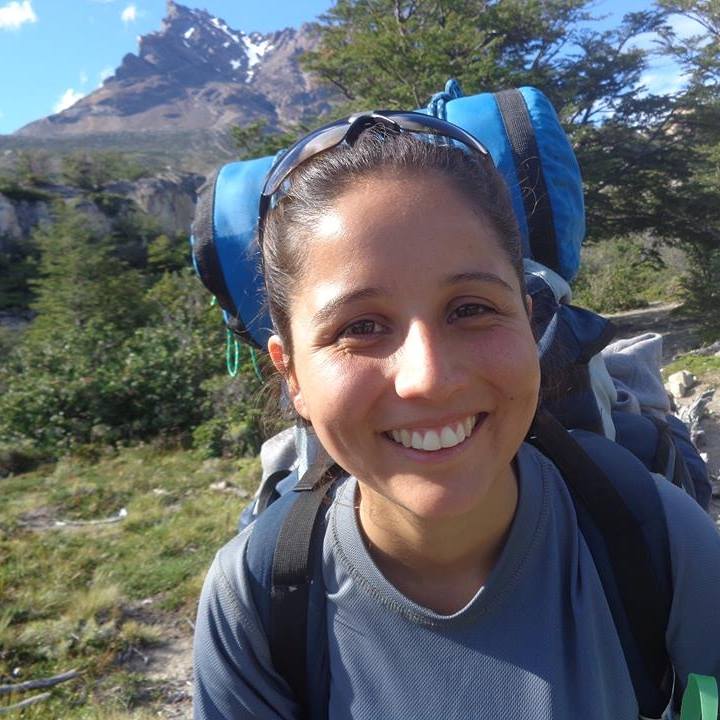
Maria Jose Lopez Jara
Master of Conservation Science thesis
I’m a veterinarian from Chile and I’ve had the opportunity to work with small carnivores as a research assistant at the Guigna Conservation Project, which focused on the vulnerable Kodkod (Leopardus guigna). More recently, I participated as a research assistant on a sea turtle monitoring project in Costa Rica and got involved in wildlife rescue and rehabilitation as an intern in California.
My research interests are around understanding threats and drivers of the decline of wild species populations to implement effective conservation actions. Other areas of interest are wildlife diseases and emerging zoonotic diseases. For my master’s project, I will focus on increasing the understanding of patterns and drivers of emerging infectious diseases, and identify opportunities to reduce the risk of disease emergence from wildlife while protecting biodiversity.
Contact: m.lopezjara@uq.net.au

Marsya Sibarani
Masters Student: Assessing the effectiveness of biodiversity surrogates and gap analysis of protected areas in Sumatra, Indonesia
I completed my Bachelor of Science in Biology from Universitas Indonesia in 2014 with an undergraduate thesis about niche partitioning among arboreal mammals in a Sumatran tropical rainforest. I began my career in conservation as a biodiversity database officer at the Wildlife Conservation Society-Indonesia Program for 2 years.
Currently, I undertake a masters research under the supervision of A/Professor Salit Kark. My research aims to assess the effectiveness of charismatic megafauna in Sumatra as surrogates for terrestrial mammals and to assess gaps in existing protected areas in Sumatra. I chose this topic because most of the conservation effort in Sumatra is focused on the protection of ‘sexy’ species, assuming that by protecting them, we also protect the rest of biodiversity. The establishment of protected areas is mostly driven by political interests, not science, so we do not know how well PAs cover the spatial extent of the species. Hence, I want to assess these things to inform conservation decision-making in my home country.
Other than pursuing a master’s degree in Conservation Science, I am also affiliated with Tambora Muda, an organisation I co-founded that aims to enhance capacity building and networking for young conservationists in Indonesia. In my spare time, I like to make drawings of wildlife and design infographics to communicate ecology and conservation to the public.
Presently, Marsya is working as a researcher with the Wildlife Conservation Society in Sumatra, Indonesia.
Contact:
m.sibarani@uq.net.au
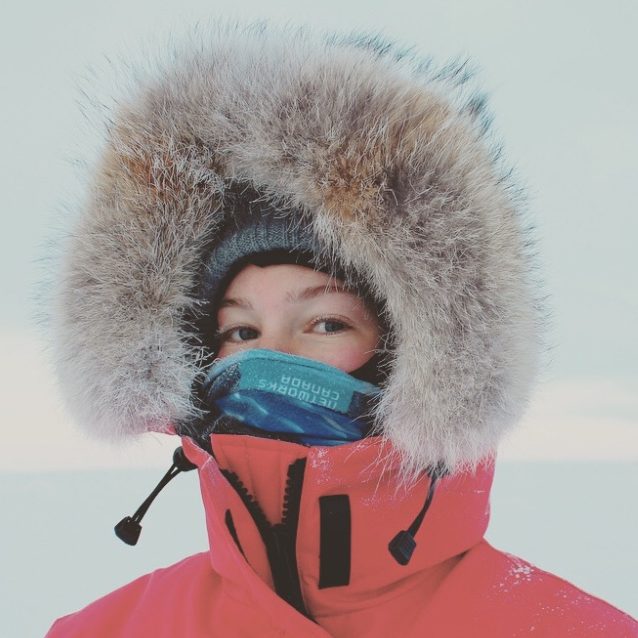
Mercedes McLean
Mercedes McLean is Algonquin from the Greater Golden Lake First Nation and is also of British ancestry. However, she grew up on Coast Salish Territory – Vancouver Island, British Columbia, Canada. After obtaining a bachelor’s degree in Environmental Studies from Mount Allison University, Mercedes set out to develop a career in wildlife biology and ocean science. Her area of focus has been working with Indigenous communities to establish community-based research projects, which have included wildlife monitoring programs in the Canadian Rockies, and collaboratively developing ocean monitoring systems with Indigenous communities along coastal British Columbia and into the Canadian Arctic.
Master of Conservation Science Research: Advancing Conservation Decision-Making Practice: Using Indigenous Knowledge and Scientific Data to Inform Marine Conservation within Southern Resident Killer Whale Habitat along southwestern Vancouver Island, British Columbia, Canada.
This was a research collaboration between Ocean Networks Canada, an initiative of the University of Victoria, in Canada and the University of Queensland, in Australia.
The Southern Resident Killer Whales (SRKW) are critically listed with an imminent threat of extinction. For their survival and recovery, it is necessary that key foraging areas are protected, and salmon fisheries reduced, to increase prey availability. This case study aims to illustrate how Indigenous knowledge and scientific data can be effectively woven together to inform marine conservation decision-making for critical SRKW habitats. This methodological study evaluates the feasibility of using decision-support tools, including Marxan; the specific types of data that are needed; and assesses the processes required for inclusive and collaborative conservation planning and fisheries management within Indigenous communities.
Contact: m.mclean@
uqconnect.edu.au

Odette Lawler
Contact: odette.lawler@gmail.com

Romi Castagnino
Conservation Science Master’s research: Spatiotemporal Interactions of Carnivores Exposed to Anthropogenic Pressures in Peru’s Montane Cloud Forest
My main area of interest is wildlife conservation in the tropics. Before moving to Australia, I completed my Bachelor’s degree in Geography and Environmental Studies in Peru with a research project focusing on the habitat spatial use of ocelots (Leopardus pardalis) in the Amazon Rainforest.
My current study examines niche partitioning between eleven carnivore species and evaluates the impact of anthropogenic factors on the carnivore community in a highly threatened biodiversity hotspot within the Peruvian tropical montane cloud forests. Findings will guide conservation practitioners to address the ecological implications of a proposed road development within the study area.
Other than my work at UQ, I’m an environmental bilingual writer at Mongabay.com; and I dedicate my spare time to nature photography and filmmaking.
Contact: Instagram & Twitter:
@romicastagnino.wild

Shamia Farhana Shoma
Masters Student: Factors shaping the establishment of introduced starlings and mynas
I started my career as a lecturer of Zoology at Jahangirnagar University, Bangladesh, the same university from where I received my BSc and MSc in Zoology with a major in Wildlife Ecology, Management and Conservation Biology. Before heading to a PhD, I intended to attend a world-class institution to deepen my theoretical knowledge and practical skills. In 2017, I was awarded an Australia Award scholarship and obtained my second Master’s degree in Conservation Science in 2018 from the University of Queensland, Australia.
As part of my MSc degree at UQ, I worked under the supervision of Prof. Salit Kark. My research project aimed to understand the spatial patterns and factors influencing the establishment of introduced starlings and mynas which is important for better addressing and managing global biological invasions. I examined the effect of species traits on variation in their establishment success in the context of introduction effort and environment by using the Global Avian Invasions Atlas (GAVIA) database.
I have been engaged in different aspects of wildlife research in Bangladesh since 2009. My primary research interest lies in ecology, animal behaviour and biodiversity conservation.
Contact: s.shoma@
uqconnect.edu.au

Tingting Mo
Masters Student: Using species distribution models to estimate the potential distribution of Common myna (Acridotheres tristis) and common starling (Sturnus vulgaris) in Australia
I completed my undergraduate studies in Wildlife and Nature Reserve Management at Southwest Forestry University. When I began my first Ornithology course at the university, I fell in love with bird watching and chose to complete my dissertation for my Bachelor’s degree on an alien bird in China, the Asian open-bill Stork (Anastomus oscitans). That was my first time using the species distribution model.
My current Masters thesis used the Maxent model, a widely used species distribution model, to estimate the distribution of two introduced invasive species, the common myna and common starling. In the study, the potential distribution of myna and starling at different periods in Australia was predicted through the ecological niche model (ENM). The results were used to indicate invasion tendency and the changing habitat suitability of these species. Furthermore, the study tried to estimate the influences of anthropogenic landscapes on the invasion process of starlings and mynas. Considering these species were listed as ‘pest species’ globally, the study aimed to contribute spatial information for biocontrol in different regions in Australia based on the habitat suitability of these birds.
Contact: tingting.mo@outlook.com
Maya Sella
Thesis Title: The land use changes of the Gazelle Valley and their implications on vegetation characteristics (1880-2006)
Graduated 2008
After her stint with our research group, Maya worked as a GIS officer at the Fire and EMS Operations/GIS Department, with the International Association of Fire Fighters, headquartered in Washington, DC. She has recently begun working in Alaska in conservation guidance.
Contact: m_sela@yahoo.com
Oded Levanoni
Graduated 2007
Oded is now a PhD candidate at the Swedish University of Agricultural Sciences.
Contact: odded@pob.huji.ac.il
Orit Nir
Thesis Title: Changes in the coral Seriatopora hystrix along a bathymetric gradient in the Northern Gulf of Aqaba
Graduated 2006
Orit is now a PhD candidate at the University of Haifa in the School of Marine Sciences. Orit also works for the Israeli Ministry of Environment and Energy.
Contact: niro01@pob.huji.ac.il
Yotam Orchan
Thesis Title: The cavity-nesting bird community in the Yarkon Park: spatial, temporal interactions and breeding success in a community being invaded in recent decades
Dr Yotam Orchan graduated in 2008. He is presently a research technician with the Movement Ecology Lab at the Hebrew University of Jerusalem.
Contact: yotam@pob.huji.ac.il
Gilad Bino
Thesis Title: Spatial and numerical responses of golden jackals (Canis aureus) and red foxes (Vulpes vulpes) to resource manipulation
Dr Gilad Bino graduated in 2007. Gilad is presently a research fellow at the University of New South Wales, Australia.
Contact: giladbino@gmail.com
Assaf Shwartz
Thesis Title: Patterns and processes shaping the success of urban and invasive birds
Dr Assaf Shwartz graduated in 2007. Assaf is presently a senior lecturer at the Israel Institute of Technology.
Contact: shwara@pob.huji.ac.il
Kark Group Alumni: BSc Honours and research project students

Charlie Beavers
I am an undergraduate student completing a Bachelor of Advanced Science in 2025. My interests range from urban ecology and spatial planning to plant conservation and biotechnology, and I am currently working on a project involving airspace corridors in Australian cities. I feel incredibly lucky to have grown up surrounded by Queensland’s natural wonders, so I am excited to help maintain our biodiversity using innovative solutions to bridge gaps of both the physical and theoretical variety!
Contact: c.beavers@student.uq.edu.au
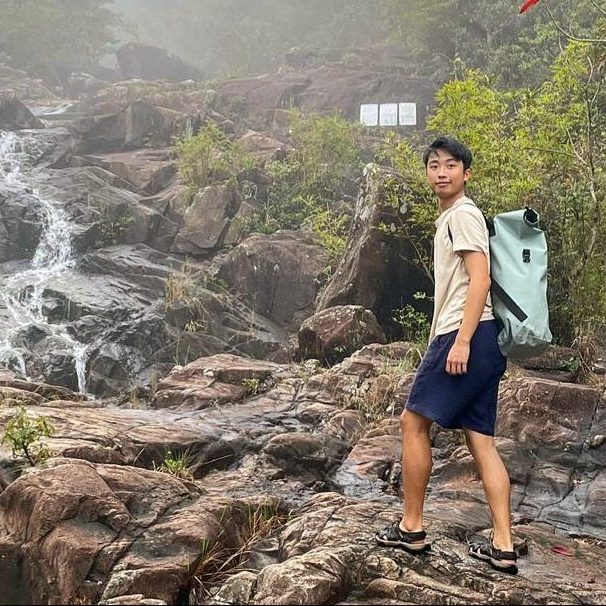
Samuel Ho
I grew up in Hong Kong, a place known for its concrete jungle, yet I always enjoyed being in the wild looking for critters since I was young. I am currently an undergraduate student at The University of Queensland studying Ecology and Zoology.
I am passionate about herpetofauna and freshwater fish conservation, which I think are often underappreciated. This includes their threats, ecology, and how they are being traded. Combined with my keen interest in wildlife photography and filming, I hope to contribute to the preservation of these wonderful species by engaging in both research and education.

Mitchell Eddie
My interest in ecology and zoology is quite broad, unlike a lot of others in this field who are passionate about small and specific areas of study. Hopefully, with my honours year approaching I can narrow down my interests and find my niche. This semester I have started doing so with a semester research project on the conservation of the Pale Imperial Hairstreak Butterfly.
I grew up on a farm in rural Queensland in Roma and as an associate of the local Wildlife Caring Group, I always had critters running around the house. I enjoyed the exposure I had to the natural environment and animals (both our farm and native animals) and the allure of exploring different parts of the world has drawn me into now studying a BAdvSc with an Ecology specialisation. Brisbane is quite a change of pace from my quiet country life but I am grateful to be closer to the beach.
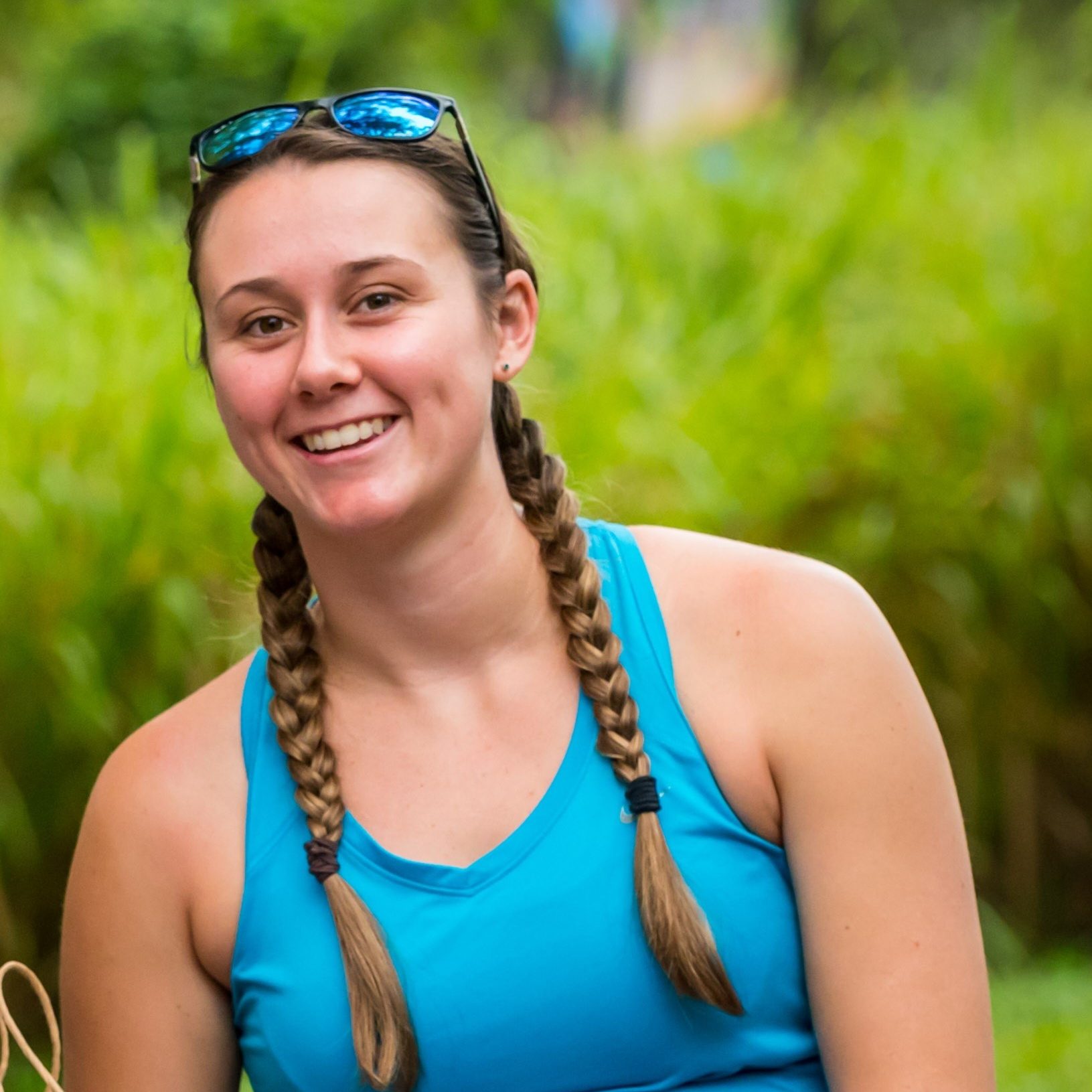
Tyra Pirrit
I am in my final year of a Bachelor of Environmental Science at the University of Queensland, completing honours under the supervision of Professor Salit Kark. I will be working on a project focusing on interactions between and among parrot species and other cavity-nesting species. I have always had a strong passion for nature and enjoy spending my spare time hiking and photographing wildlife.
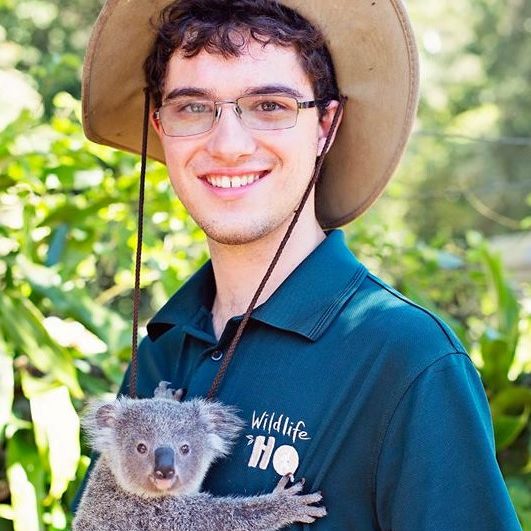
Alexander Hendry
Honours Student and Research assistant: Aggressive interactions over food resources between native and introduced birds in Brisbane
I am currently studying for the Bachelor of Advanced Science, majoring in ecology, and the concurrent diploma of languages, majoring in Japanese. Starting in semester 2 2020, I am working on an Honours project investigating interactions between native and introduced birds in Brisbane with a focus on aggressive interactions over food resources. Previously I have completed projects at the Wildlife Endocrinology lab at UQ’s Gatton campus and in the Barker Parasitology lab. I have an interest and passion for wildlife conservation, and I hope to one day work for the Australian Antarctic Division or work to combat the illegal wildlife trade.
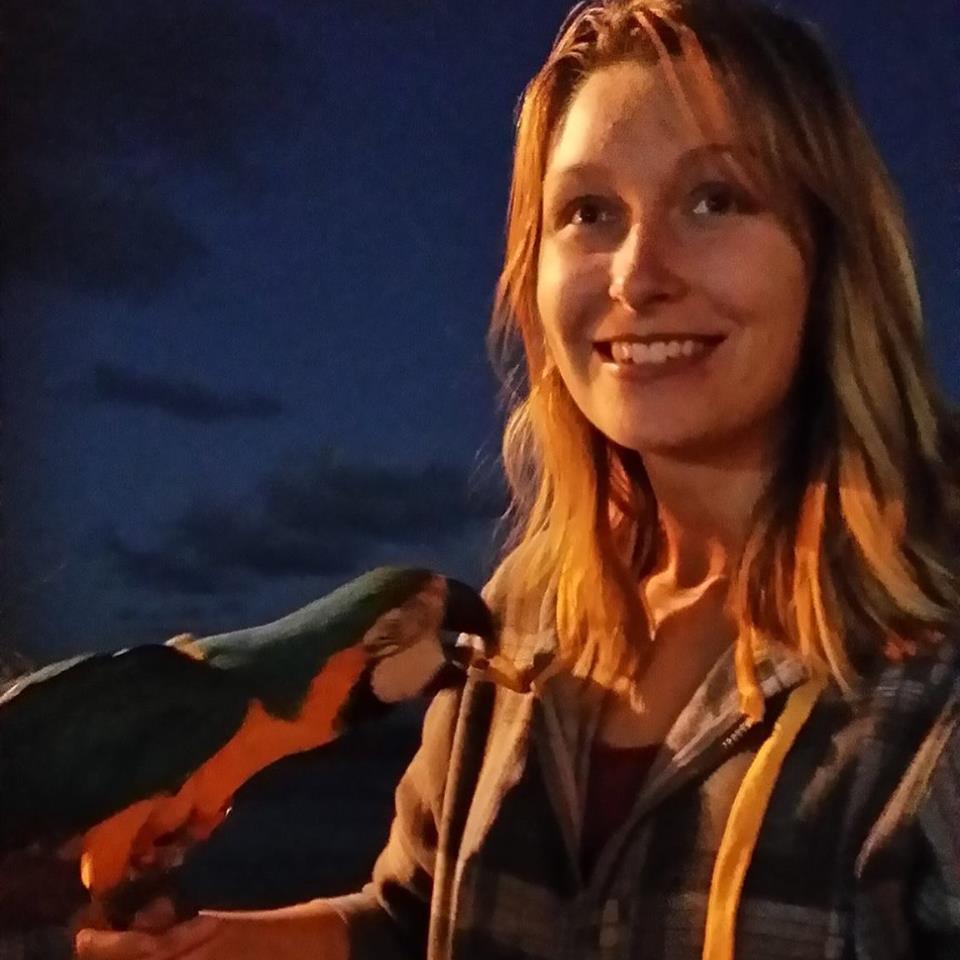
Carly Martin
Honours Student: Fine-scale interactions between native and invasive cavity-nesting birds in Australia
In 2015 I completed a dual degree of Science and Journalism majoring in Ecology at the University of Queensland. I finished my honours degree in July 2016 at UQ working with Associate Professor Salit Kark. In my project, I looked at small-scale interactions between native and invasive bird species around cavity trees. The Indian Myna (Acridotheres tristis) was the focus of my studies. By comparing interactions in different locations I was able to develop an understanding of factors that promote the spread of this invasive species.
Carly currently works as the Bird and Reptile Specialist at Pet City Mt Gravatt, Brisbane, Australia.
Contact: carly.martin@uqconnect.edu.au

Damien O’Connor
Honours Student: The role of behavioural variation in the invasion process
I completed my Bachelor of Science (Ecology & Zoology) at the University of Queensland in 2014. In 2015 I undertook my Honours project working under the supervision of Assoc. Professor Salit Kark and Dr Andrea Griffin. I looked at the invasive common myna (Acridotheres tristis) and investigated the role of behavioural variation in the invasion process. My project consisted of a feeding experiment to determine whether there was a variation in foraging behaviour throughout parts of the common myna’s range in Queensland. This project also modelled components that aimed to provide a better understanding of the implications of behavioural variation in an invasive species.
Damien is presently a Technical Officer at the Australian Federal Department of Agriculture and Water Resources.
Contact: damien.oconnor@
uqconnect.edu.au
Douglas Ledlie
Contact: d.ledlie@uq.net.au

Emily Dayman
BSc Honours: Interactions between cavity-nesting birds and their implications for conservation
I graduated with my Bachelor’s degree in Wildlife and Marine Science at Griffith University in 2014 and began my Honours work with Salit Kark in 2014. I am particularly interested in the interactions around breeding cavities in the presence of invasive cavity-nesting species around Brisbane and the Sunshine Coast. I specialize in conservation ecology, studying the management of biological invasions on both small and large scales. I have experience in marine biology working on Heron Island, monitoring the water chemistry on the reef flat to closely examine the implications of climate change pose on coral reef organisms and how to mitigate and manage their impacts. I have assisted in estuarine fish ecology and reptile biology fieldwork around the Gold Coast. In 2012, I completed work experience at the Griffith Center of Coastal Management. I worked on the Redesigned COPE Program (Coastal Observation Programme- Engineering), proposed for the Gold Coast City Council. I also have experience volunteering in zoos, attending koalas at the Currumbin Wildlife Sanctuary and penguins at Seaworld.
My project aims to develop interaction networks within cavity-nesting avian communities, which include invasive alien and native species, examining the source and front sites of an ongoing avian invasion and an urbanisation gradient. Aliens and native urban exploiters can have negative effects on abundance and the diversity of native species and other urban avoiders that are susceptible to urbanisation and ecological change. I will compare two sites where the Indian myna (Acridotheres tristis) has been established for over 30 years in Brisbane with two sites in the Sunshine Coast where mynas have only recently invaded. I will examine the nest occupancy, replacement and breeding success through three sub-environments (paved, park and fringe) within each location, over the 2014-2015 breeding season. I will also examine the outcomes of behavioural interactions between all cavity nesting birds in the community to identify “winners” and “losers” of interactions. My project will address an important gap in our scientific understanding of the role of invasion processes and urbanisation constraints on species interactions in a cavity-nesting community. The interaction webs will provide valuable future management for birds and conservation strategies that will effectively control invasion threats and mitigate urbanisation impacts on native biodiversity.
Contact: emily.dayman@uq.net.au

Emma Lee
Honours Student: Understanding the Indigenous Australians’ approach towards invasive and native species through their languages
I graduated from UQ in 2014 with a Bachelor of Science (Zoology) and Arts (Japanese and Linguistics) and worked on my honours project under the supervision of Assoc. Professor Salit Kark and Professor Ghil’ad Zuckermann (The University of Adelaide: Department of Linguistics). For my project, I looked at the words used in various Aboriginal languages for invasive and native species, as well as the uses of the species in these communities. Through this, my project aimed to understand the Indigenous Australians’ approach towards invasive and native species, to help inform the management plans for these species.
Contact: ej.lee@uqconnect.edu.au

Georgina Hockings
Honours Student: Using camera traps to study the social structure and behaviour of Javan Rhinoceros (Rhinoceros sondaicus) in Ujung Kulon National Park, West Java, Indonesia
In 2014 I completed a Bachelor of Science majoring in Zoology and Ecology at the University of Queensland. I am now commencing an Honours project at UQ with Associate Professor Salit Kark. I will be working in collaboration with Steve Wilson for his PhD investigating the ecology and conservation of the critically endangered Javan rhino. In my project, I will be using camera trap data to look at Javan rhino behaviour, with a particular focus on their social structure and interactions. Through this project, I hope to be able to develop an understanding of what behavioural information can be learned through camera trap data that is of conservational value to this critically endangered species.
Georgina is presently a research assistant and volunteer coordinator at Kanaan N/a’an ku se Desert Retreat in Southern Namibia.
Contact: g.hockings@bigpond.com
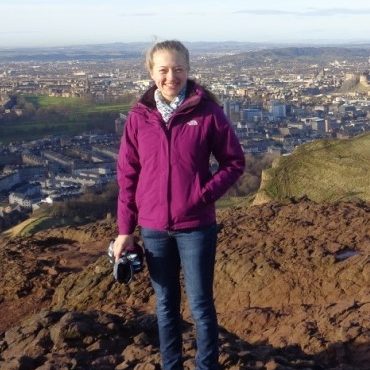
Hannah Thomas
Research Project Student: Understanding how arboreal mammals are impacting native and invasive bird species in urban areas
I’m a fourth-year Bachelor of Advanced Science student, majoring in Biology. I’m doing the subject SCIE3011, which is a year-long research course, designed to give undergraduates an idea of what it’s like to join a research lab. I will be working under the supervision of Assoc. Professor Salit Kark and joining the invasive bird team, learning about and assisting the nest box projects currently underway. I have a broad range of interests within the ecology field and hope this project will give me an insight into current ecological research.
Contact: hannah.thomas2@uq.net.au
James Vandersteen
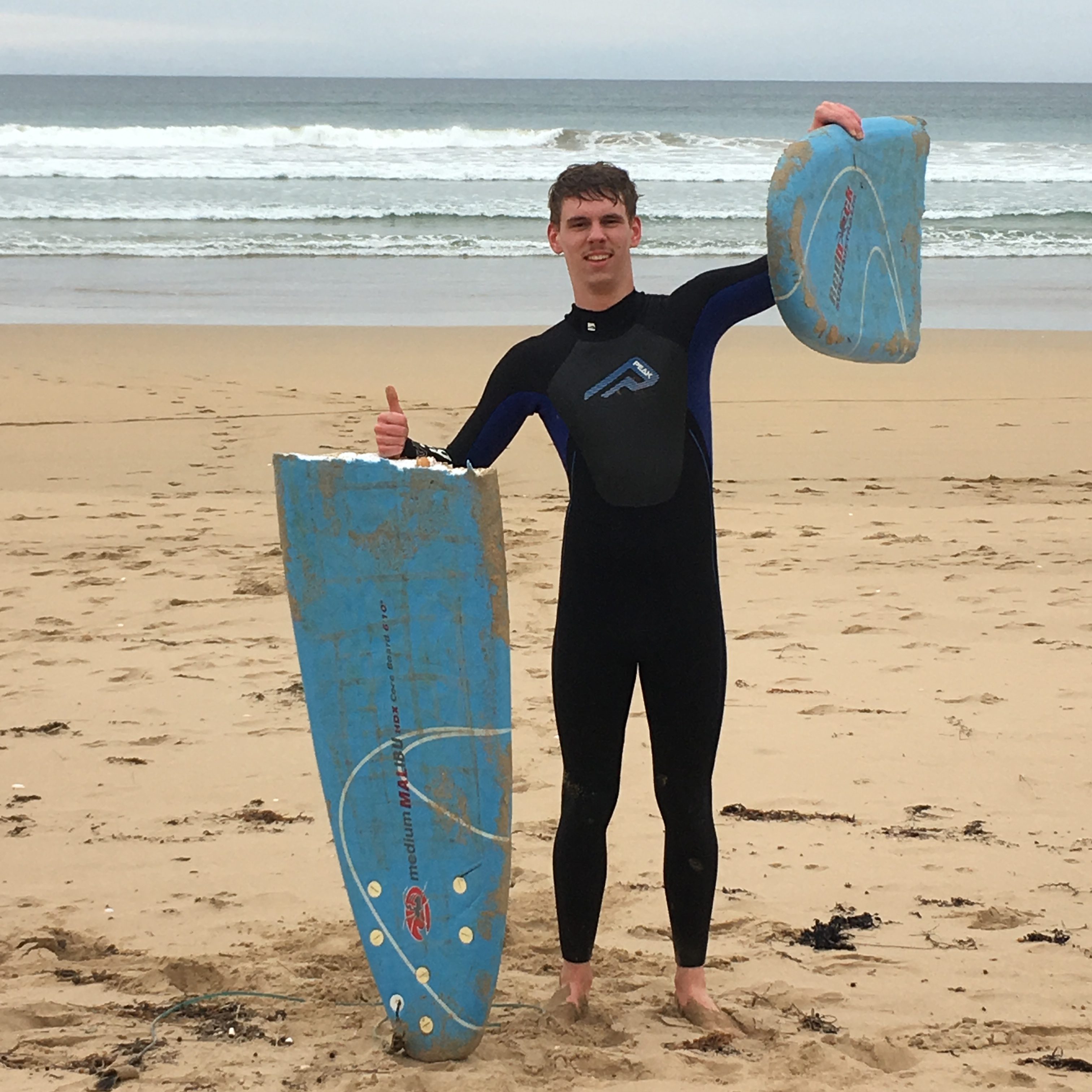
Honours Student: Investigating the night light distribution on Heron Island
I am undertaking my Honours under the supervision of Professor Salit Kark and Professor Noam Levin. Together we aim to thoroughly explore, using novel technologies, night light distribution on Heron Island to minimize its impact on sea turtles. This research will differ from past research on such topics as we plan to incorporate detailed spatial mapping of light sources on the island and quantify the effects of such lights using a Sky Quality Camera (a relatively new piece of technology). This information, together with pre-existing sea turtle data for Heron Island, will enable us to study the potential relationships between night lights on the island and sea turtle nesting.
I completed my Bachelor of Environmental Science at Monash University in 2017 majoring in Ecology and Conservation Biology. In my final semester at Monash, I undertook a research project exploring the feasibility of nest cages in preventing nest predation of the Critically Endangered Regent Honeyeater. Through this project, I was able to be involved in the 2017 release and subsequent monitoring of 100 captive-bred Regent Honeyeaters in Northern Victoria. In addition, during my time at Monash, I travelled to Italy, Borneo and Heron Island to participate in fieldwork for various studies.
Contact: james.vandersteen
@outlook.com
Jessica Collins
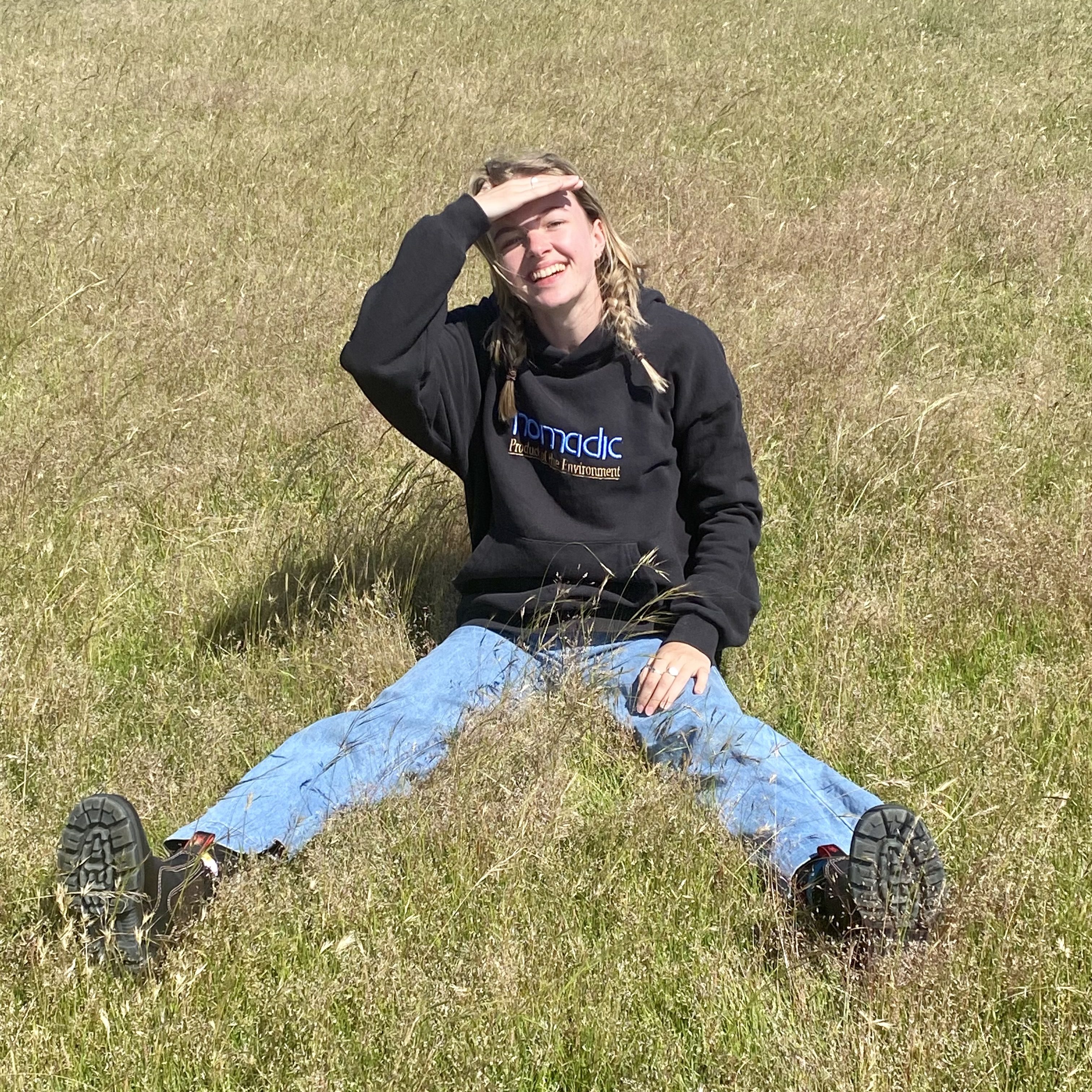
I am in my final year of a Bachelor of Environmental Science, undertaking honours with the guidance of Professor Salit Kark. My project will explore patterns of threatened and/or invasive species on Australian islands using a recently developed national database. Whether venturing into spatial variation, urbanisation impact, introduced species interactions or species distributions, any area that I find myself focusing on I aim to contribute to conservation implementation.
Kelsie Youman
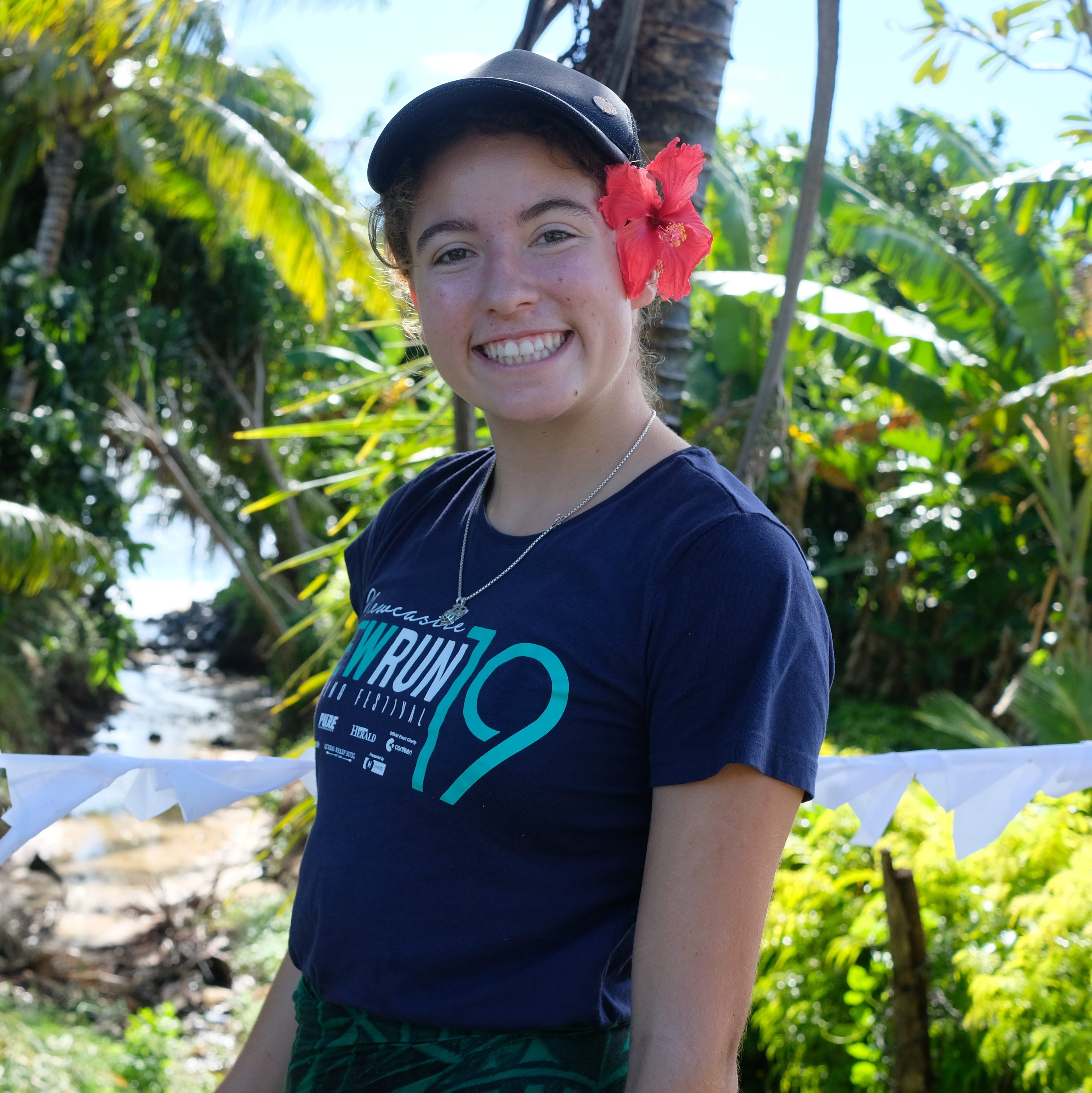
Honours Student
I have recently completed my Bachelor of Science degree, majoring in ecology at the University of Queensland. Starting in 2021, I will be working on an Honours project that will focus on quantifying threats to coastal ecosystems and biodiversity, with particular interest in the impacts on sea turtle nesting sites. I have always had a strong passion for nature and wildlife which developed from a young age and has only grown through my tertiary education. Even though I have never lived close to the ocean, I have always been fascinated by the majestic sea turtle species found around Australia’s coastlines and I am extremely excited to contribute to the conservation of species such as these, as well as the many other species that make up coastal ecosystems.
Contact: k.youman@uq.net.au

Rebecca Turk
Rebecca is a second-year Applied Science student majoring in Wildlife Science at The University of Queensland. Her interests span a multitude of areas within the environmental sector, but being on the invasive bird team has fostered an interest in bird species and how invasive species interact with native systems.
Contact: rebecca.turk@uq.net.au
Samantha Richardson
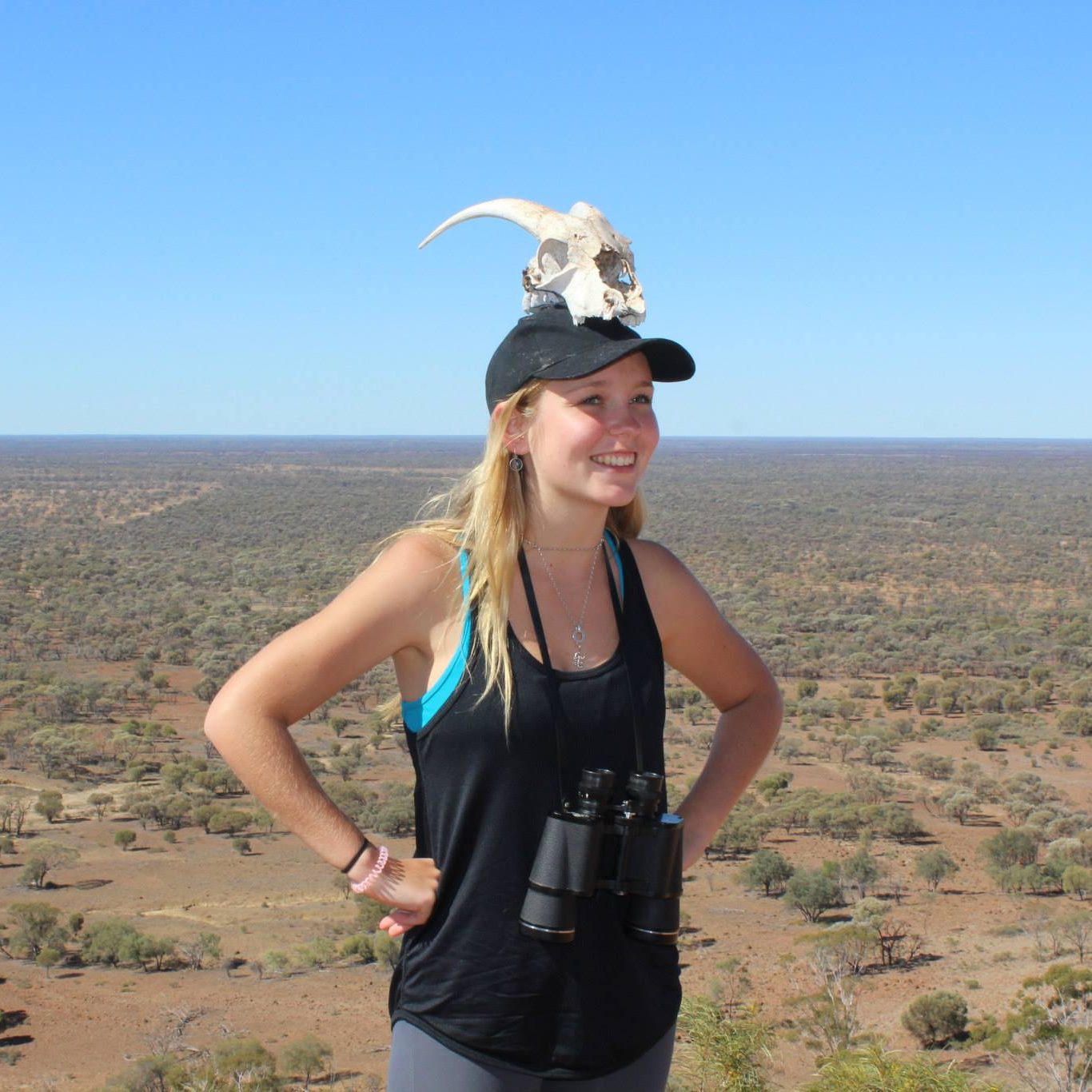
Honours Student: Assessing shark attack spatial and temporal patterns with a focus on understanding public perception.
My research interests fall within the field of Ecology and Zoology, graduating with a Bachelor of Science in 2015. I am particularly interested in the marine environment which has been the underlying focus of my research experience. I worked with Professor Andy Fischer from the Institute of Marine and Antarctic Studies, University of Tasmania in 2015 analysing wind data and the relationships with harmful algal blooms along the eastern coastline of Tasmania. I am now undertaking an Honours Research project at the University of Queensland with Associate Professor Salit Kark. My research aims to generate knowledge of how to direct shark-attack mitigation approaches in an environmentally conscious manner by providing an analytical approach that can be utilised to advance conflict resolution approaches to be more spatially informed than current intervention strategies, as well as guide public education programs through increased scientific knowledge of public perception. To effectively mitigate shark-human conflicts an understanding of how humans view sharks and shark mitigation approaches is required as human perception is known to act as a barrier or facilitator in achieving conservation goals.
Samantha is now teaching Marine Science at Hervey Bay State High School.
Contact: samantha.richardson1
@uq.net.au
