Collaboration across boundaries can significantly impact the effectiveness of conservation and management efforts. It can facilitate coordinated action, resource sharing, and unified strategies for issues that transcend single jurisdictions, such as migratory species, invasive species, and ecosystem management
Integrating collaboration into systematic conservation planning calls for explicit assessment of when and where collaboration is feasible and beneficial, ensuring that efforts are not wasted in situations where collaboration is unlikely to succeed or deliver added value. We have developed a framework built on a series of steps aimed at assessing the potential for between-country conservation collaborative, including defining cross-boundary conservation problems, identifying national and overall goals, weighing the benefits against the costs, and addressing uncertainties and risks in applying collaborative actions.
Explore the new UQ – IITD joint PhD research projects now available:
- 🐘 Living with elephants: Sharing lessons for human-wildlife coexistence and conservation across borders
Apply here: https://uqiitd.org/apply/
Research article: Cross-boundary collaboration: Key to the conservation puzzle
Citation: Salit Kark, Ayesha Tulloch, Ascelin Gordon, Tessa Mazor, Nils Bunnefeld and Noam Levin. 2015. Cross-boundary collaboration: Key to the conservation puzzle. Current Opinion in Environmental Sustainability 12: 12-24. https://doi.org/10.1016/j.cosust.2014.08.005
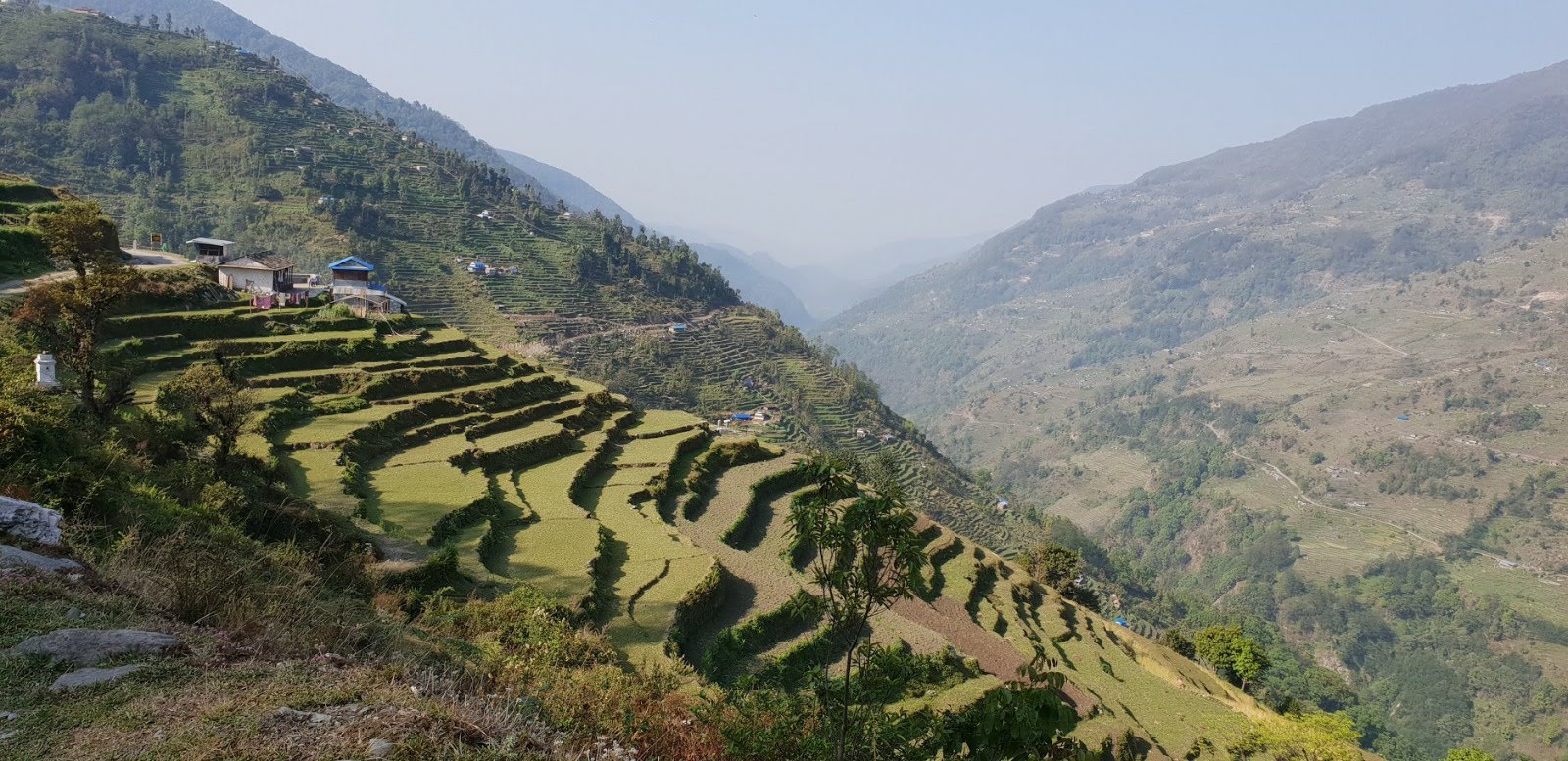
Photo credit: Salit Kark
Saving species across borders
We have been working with local communities, researchers, entrepreneurs, and ambassadors on advancing action-based conservation in the Himalayas and Indian subcontinent, working out the best ways to collaborate across borders to help save endangered species.
Explore more about the vital role of cross-boundary collaboration in conserving biodiversity and ecosystems across the Indian subcontinent and the Himalayas in this video:
One Health collaborative approach
Biodiversity loss and ecosystem health are strongly linked to human health, with the impacts of COVID-19 being diverse and interconnected, including effects on conservation funding, tourism, environmental policy, Indigenous land managers, and human-wildlife contact. We have investigated how a One Health collaborative approach, decision science, and sustainable pandemic recovery strategies provide important tools for addressing pandemics and future zoonotic spillover risks, while taking into account biodiversity and ecosystem health.
Research article: The COVID-19 pandemic is intricately linked to biodiversity loss and ecosystem health
Citation: Odette Lawler, Hannah Allan, Peter Baxter, Romi Castagnino, Marina Corella Tor, Leah Dann, Joshua Hungerford, Dibesh Karmacharya, Thomas Lloyd, María José López-Jara, Gloeta Massie, Junior Novera, Andrew Rogers and Salit Kark. 2021. The COVID-19 pandemic is intricately linked to biodiversity loss and ecosystem health. The Lancet Planetary Health 5: e840-e850. https://doi.org/10.1016/S2542-5196(21)00258-8
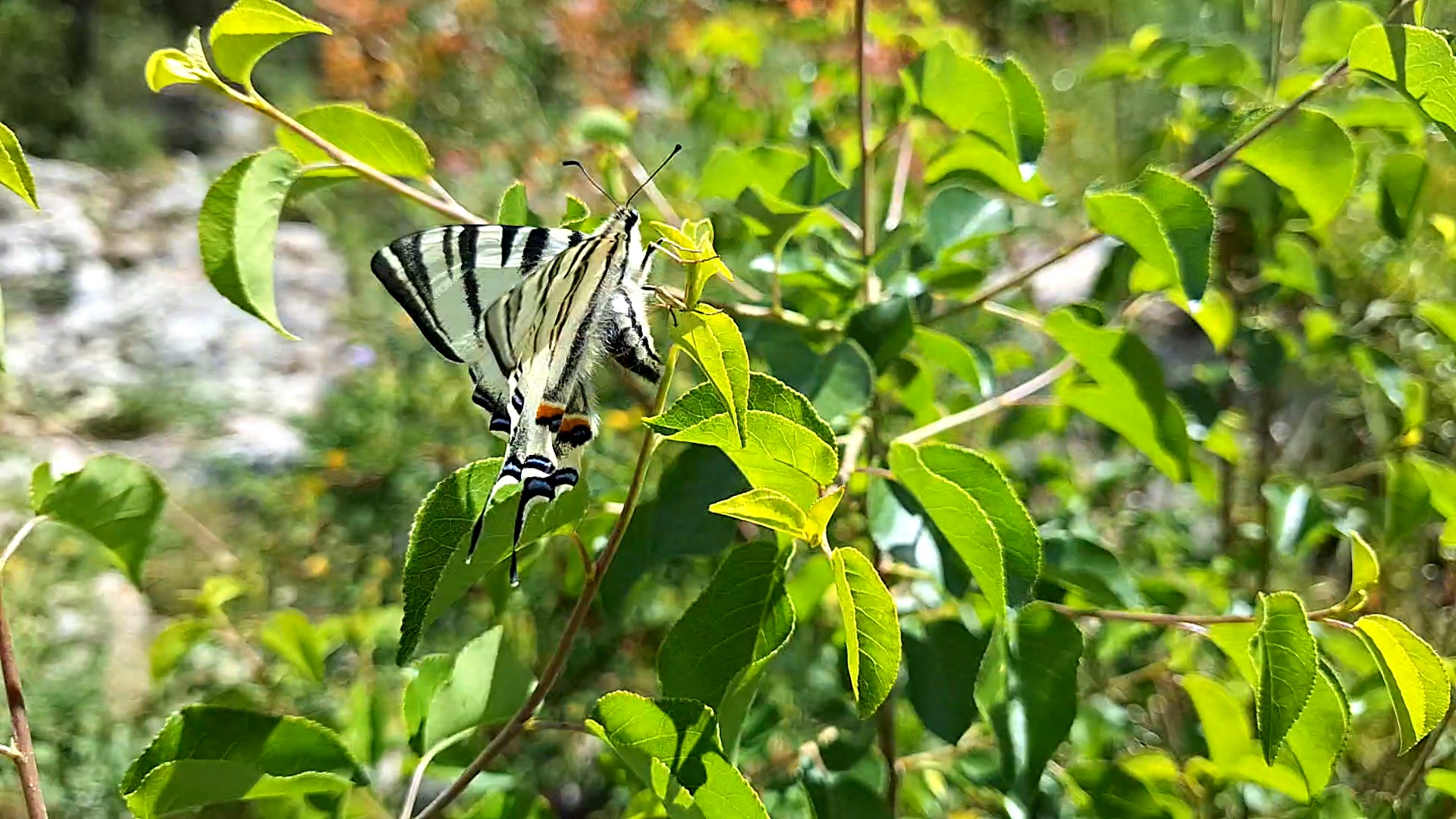
Photo credit: Peleg Kark-Levin
