Ecotones are areas of transition between ecological communities, ecosystems, or ecological regions (such as Mediterranean and desert). Ecotones often occur along ecological gradients. Such gradients are created as a result of spatial shifts in elevation, climate, soil, and many other environmental factors. Ecotones commonly coincide with areas of sharp climatic transition along environmental gradients. They occur at multiple spatial scales, from continental-scale transitions between major biomes to small-scale ecotones where local vegetation communities and microhabitats coincide. They show a diversity of boundary types that range from natural boundaries (e.g., altitudinal, latitudinal transitions) to human- generated ecotones (e.g., forest clear-cut edges or urban ecotones).
Ecotones have been studied in the past four decades in an ecological context and in recent years are receiving increasing attention in the context of biodiversity conservation. Various studies have shown that species richness and abundances tend to peak in ecotonal areas, though exceptions to these patterns occur. Ecotones are “natural laboratories” for studying a range of evolutionary processes, such as the process by which new species form, also termed speciation. Some researchers argue that ecotones deserve high-conservation investment, potentially serving as speciation and biodiversity centers. Because ecotones are often small in size and relatively rich in biodiversity, conservation efforts in these areas may prove to be an efficient and cost-effective conservation strategy.
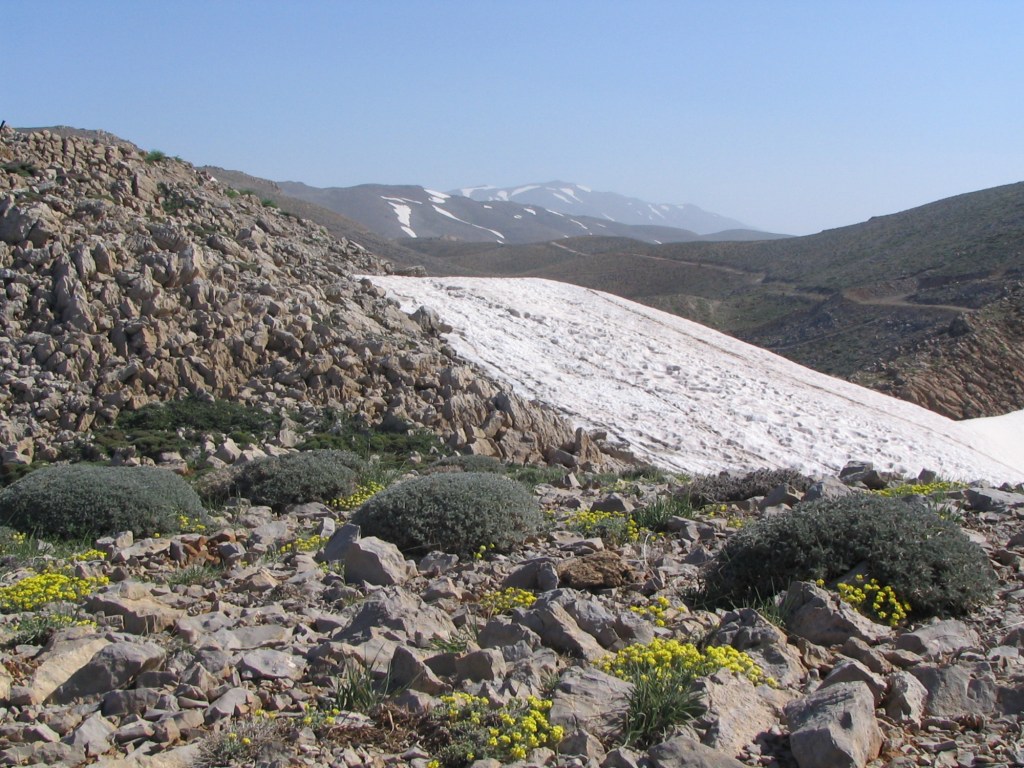
Photo credit: Salit Kark
